Honored to Be Nominated for the 2026 Ozaukee Impact Awards Emerging Nonprofit Leader of the Year
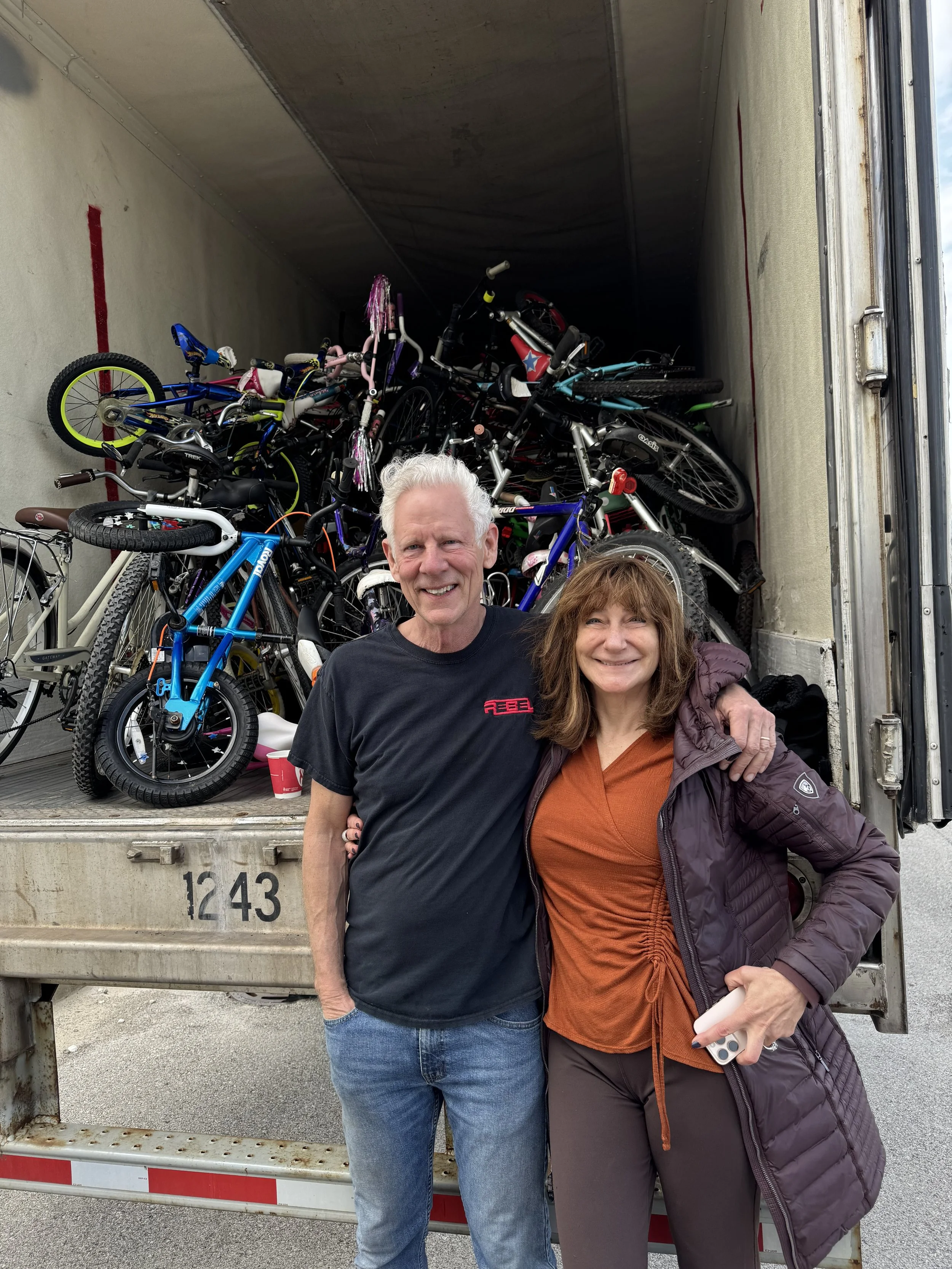
Make it stand out
“I am honored and deeply grateful to share that I have been nominated for the 2026 Ozaukee Impact Awards Emerging Nonprofit Leader of the Year.”
-Loretta Kryshak
Presented by the Ozaukee Nonprofit Center and Bank Five Nine, the Ozaukee Impact Awards celebrate individuals, organizations, businesses, and volunteers who have made a meaningful difference in the lives of others through service, leadership, and community engagement.
To be recognized by members of the community I care so deeply about is incredibly humbling.
While this nomination bears my name, it truly represents the collective efforts of the many people who work tirelessly to make a positive impact every day. Through my role as Executive Director of Rebel Reform, I have had the privilege of working alongside remarkable volunteers, nonprofit leaders, community partners, donors, and advocates who continually demonstrate what can be accomplished when people come together for a common purpose.
Over the past year, I have witnessed firsthand the generosity and compassion that exist throughout Ozaukee County and southeastern Wisconsin. From supporting local charitable organizations to helping create opportunities for individuals and families facing difficult circumstances, our community consistently proves that meaningful change happens when people are willing to serve others.
One of the most rewarding aspects of my work is seeing the ripple effect that kindness can create. A single act of generosity often inspires another, and those moments can transform communities in ways that extend far beyond what we initially imagine.
This nomination also reflects the mission that drives everything I do, both professionally and personally. Whether through photography, storytelling, nonprofit leadership, or community outreach, I believe that every person deserves to feel seen, valued, and supported. My goal has always been to use my platform and experiences to help connect people, raise awareness, and encourage action that creates lasting positive change.
I would like to sincerely thank the individual who nominated me for this recognition. Your confidence and support mean more than words can express.
Most importantly, I want to thank every volunteer, supporter, donor, board member, community partner, and friend who has joined us in our mission. This nomination belongs to all of you as much as it belongs to me.
The Ozaukee Impact Awards ceremony will take place on July 23, 2026, and I am honored simply to be included among so many inspiring individuals and organizations making a difference throughout our community.
No matter the outcome, I remain committed to continuing the work that matters most: helping others, strengthening communities, and creating opportunities for positive change.
Thank you for being part of this journey.
With gratitude,
Loretta Kryshak
Executive Director, Rebel Reform
Seven Continents Through the Lens: How World Travel Shaped Loretta Kryshak as a Photographer and Humanitarian
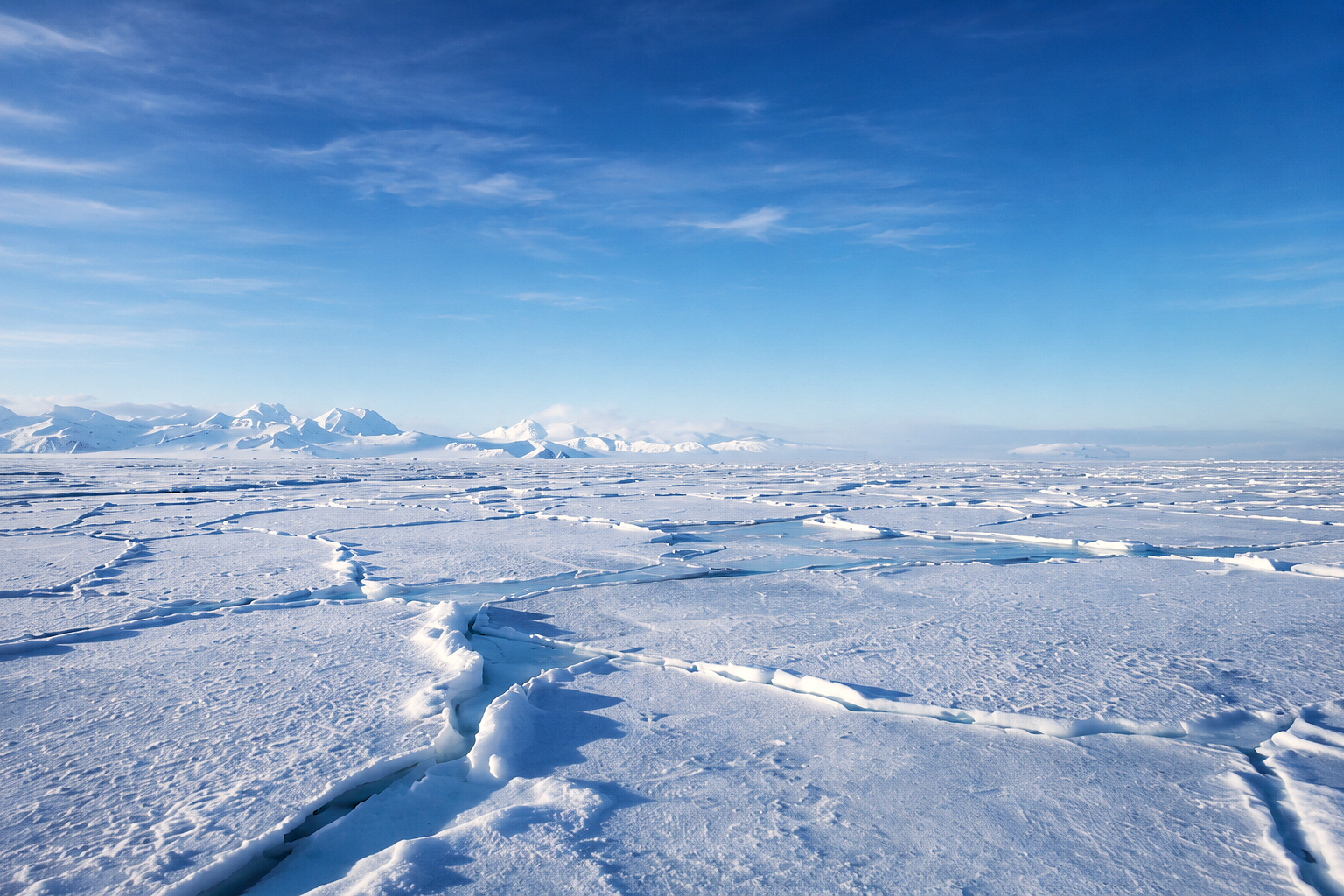
There is a photograph I took in Antartica that I return to often. No people, no color, no movement just a vast plane of ice stretching toward a horizon that seemed to belong to another world entirely. The light was coming from everywhere at once, flat and blue-white and completely unlike anything I had encountered before. I stood there for a long time before I raised my camera. Sometimes the most important thing a photographer can do is wait.
That moment, and hundreds like it across seven continents, is what has shaped me, not just as a photographer, but as a person who believes deeply in the power of paying attention. Over the years, my camera has taken me from the markets of Southeast Asia to the glaciers of Antarctica, from the plains of Africa to the alleyways of South America, and every single place has left something in my photographs and in me.

Why Seven Continents?
People sometimes ask whether completing all seven continents was a goal I set out to achieve deliberately. The honest answer is that it grew naturally from a fundamental restlessness; a belief, held since I was young, that the world is far larger and stranger and more beautiful than any one place can show you.
My husband Mike and I have always believed that travel is among the most important investments a family can make. Not tourism exactly, though there is nothing wrong with tourism. But genuine, slow, attentive travel, the kind where you eat where locals eat, stay long enough to notice patterns, and bring your children along so they learn early that their way of doing things is one way among many. We have homeschooled our children in countries across Southeast Asia. We have volunteered alongside communities in Africa and India. We have stood on every continent and tried, imperfectly, to understand what we were seeing.
The camera is what makes me look carefully enough to actually see it.
Africa: Learning to Wait

Africa was where I first understood that wildlife photography is almost entirely an exercise in patience. You can have the best equipment, the perfect light, the ideal position and still miss the photograph if you move too soon or too late.
I photographed a leopard in the early morning, in that brief window when the light is neither harsh nor flat but golden and directional and alive. The leopard held still. I held still. For a few seconds, we were simply two creatures occupying the same patch of morning, and then it was over. I had the frame. But I only had it because I had learned, by that point, to resist the urge to shoot immediately and instead wait for the moment that was actually there, not the one I expected.
Africa also gave me some of my most humanizing experiences as a traveler. The communities I visited — often with volunteer groups, sometimes through connections made by Rebel Reform — maintained extraordinary social cohesion with far fewer material resources than any community I had encountered at home in Milwaukee. DELETE: That observation did not make me feel superior or generous. It made me feel instructed. These communities knew things about mutual support and human connection that I had been trying to build programmatically for years. I photographed what I saw and brought those images home as reminders.
South America: Grassroots Lessons
South America is where I learned the most about grassroots organizing, and I learned it not from a workshop or a book but from watching local nonprofit leaders work with almost nothing and accomplish extraordinary things.
I was particularly struck by the specificity of their interventions. Nothing was abstract. Everything was aimed at a particular person in a particular circumstance this family needs this, that neighborhood is missing that. The photography I did there reflects that specificity. I was drawn less to sweeping landscapes than to close, quiet portraits of everyday life: a woman arranging produce at a market stall, a child walking to school along a road that was more dust than pavement, an elderly man sitting in the shade outside a building whose walls told a hundred years of history in their peeling paint.
Those images, and the organizing philosophy behind them, came back to Milwaukee with me and shaped how I think about Rebel Reform's work. We try to be specific. We try to serve the person in front of us, not an abstraction of need.
India: The Weight of Scale
India humbled me in ways I did not fully expect. I had traveled widely before I went, and I thought I was prepared for the scale of what I would see. I was not.

What I found there was not only poverty though the poverty was real and confronting but also resilience of a kind that photography struggles to capture because it is so interior, so embedded in daily life that it doesn't announce itself. The most powerful images I made in India were not of suffering. They were of ordinary persistence: a family cooking dinner, a group of children doing homework on a rooftop, a man repairing a bicycle beside a road.
The bicycle image stayed with me for a long time. There is something universal about a bicycle about the modest miracle of human-powered mobility that cuts across every culture I've visited. It is perhaps part of why the bike giveaway program at Rebel Reform has always felt so personally meaningful to me. We have given away more than 4,000 bicycles to children in Milwaukee through our partnership with community organizations. Every single time I watch a child ride away on one of those bikes, I think about that man on the roadside in India, and the image I almost didn't take because I was moving too fast.
Southeast Asia: Color, Chaos, and the Case for Black and White
Southeast Asia presented me with a problem I have never entirely solved: it is almost impossibly colorful. Markets stacked with fruit and textiles, temples draped in gold, streets painted in ways that seem to defy any single frame.
And yet my best work from that part of the world is in black and white.
I have spent a lot of time thinking about why. Part of it is simply that color, in a scene so saturated with it, can overwhelm the photograph's other elements its geometry, its human story, its emotional core. Stripping the color away forces the viewer to look at what is actually happening, not just what is visually spectacular.
But I think there is something else too. Black-and-white photography insists on a kind of permanence. It removes the image from its specific historical moment from the particular fashions and signs and technologies that date a photograph and makes it feel, instead, like something that has always been true and will go on being true. The weight of a vendor's concentration over her stall. The way light divides a narrow street into two worlds. The laughter on a child's face. These things do not belong to a decade. They belong to the human experience.
That belief that there are things worth photographing because they are permanently true is one I carry into my humanitarian work as well. The need for dignity. The hunger for community. The particular joy of a child with a bicycle. These are not trends. They are constants.
Australia and New Zealand: Space and Silence
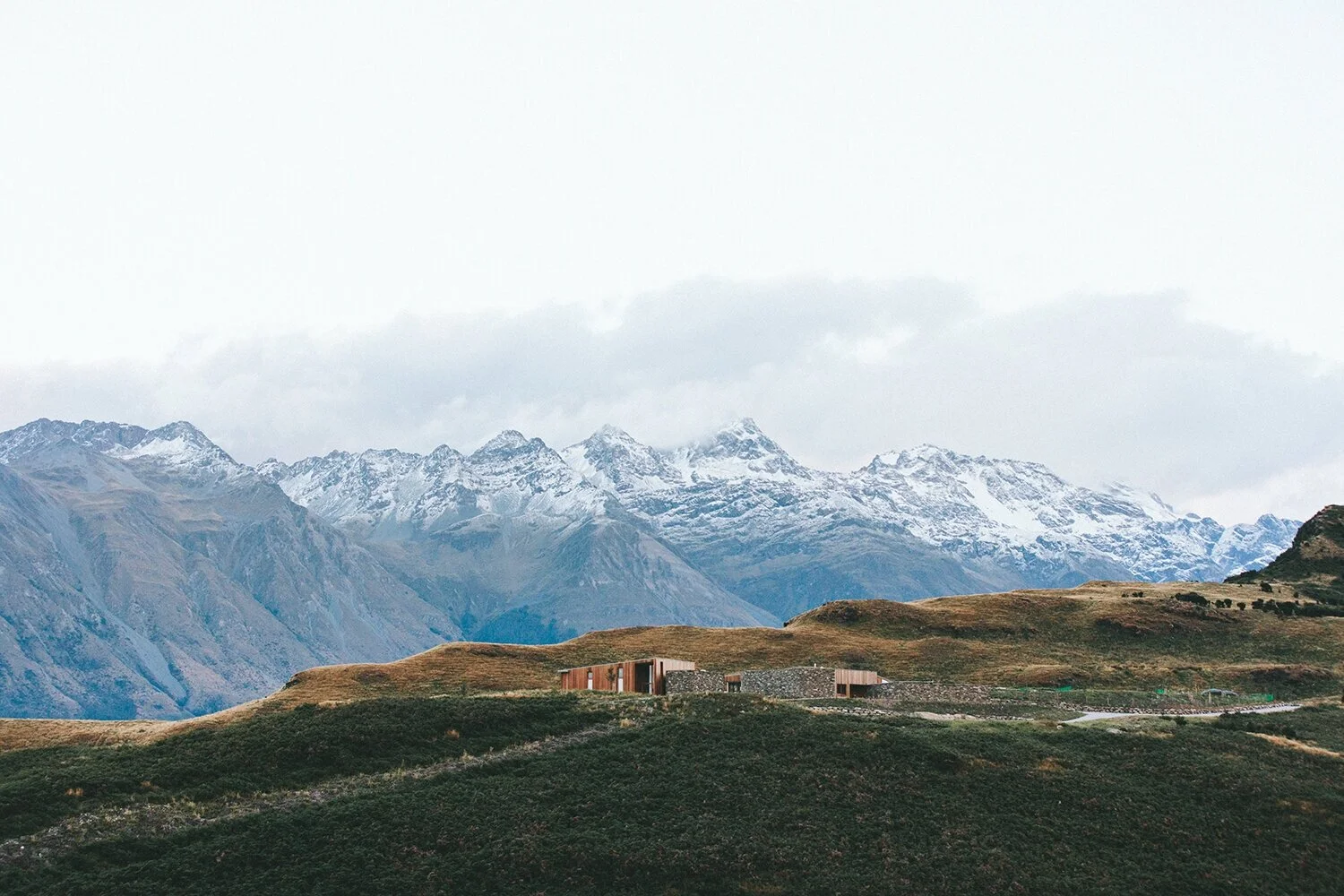
I have found, in my travels, that the photographs I treasure most from sparsely populated places are rarely the dramatic ones. They are the quiet ones. A single tree in a field. A road disappearing into distance. A sky with room enough in it to think.
Australia and New Zealand gave me space in a way that few other places have. Space to be a small thing in a large landscape, which is a perspective I find useful to revisit periodically. When you run an organization, manage relationships, coordinate logistics, and advocate loudly for the people your programs serve, it is easy to lose the thread of your own smallness. These landscapes restored it.
The photographs I brought back from that part of the world are among the most minimal of my career. Very little in the frame. A great deal of sky. I love them precisely because they are so different from the density and urgency of the work I do at home.
Antarctica: The Continent That Stopped Me Cold
I have already written elsewhere about Antarctica, but I will say again here what I always say: it is the place that stays with me most.
There is no culture to photograph in Antarctica in the way there is culture in every other place I have visited. No markets, no architecture, no faces shaped by generations of particular history. There is only the planet itself ice and sky and the sound of wind and, on certain extraordinary mornings, complete silence.
My black-and-white work from Antarctica was recognized with an honorable mention at the Monochrome Awards, and while I am proud of that recognition, what I value most about those images is what they remind me of every time I look at them. The world is ancient and enormous. We are brief and small. What we choose to do with our brief time in our small corner of it how we treat the people around us, what we build, what we give away matters more than the scale of the planet suggests it should.
I came home from Antarctica and threw myself into the work of Rebel Reform with a renewed sense of urgency. Not frantic urgency, but the settled, purposeful kind. The kind that comes from having stood somewhere that puts things in perspective.
What Seven Continents Taught Loretta Kryshak About Seeing
The through-line in all of this, the thing that connects a leopard at dawn in Africa to an ice field in Antarctica to a child receiving a bicycle in Milwaukee is attention. Photography has taught me that attention is the foundation of everything worth doing. You cannot photograph what you have not truly seen. You cannot help a community you have not truly listened to. You cannot lead an organization well if you are too busy to notice what is actually happening inside it.
I travel because the world is worth seeing. I photograph because the act of making an image forces me to see it more carefully. And I do the work I do at Rebel Reform because everything I have seen on seven continents and in the streets of the city where I live has convinced me that people, everywhere, are worth showing up for.
That is the only philosophy I have ever needed.
Loretta Kryshak is the Executive Director of Rebel Reform, the social outreach arm of Rebel Converting. She is an award-winning photographer whose work has been recognized by the Monochrome Awards, and she has traveled to all seven continents. She documents her journeys, photography, and humanitarian work at lorettakryshak.com.