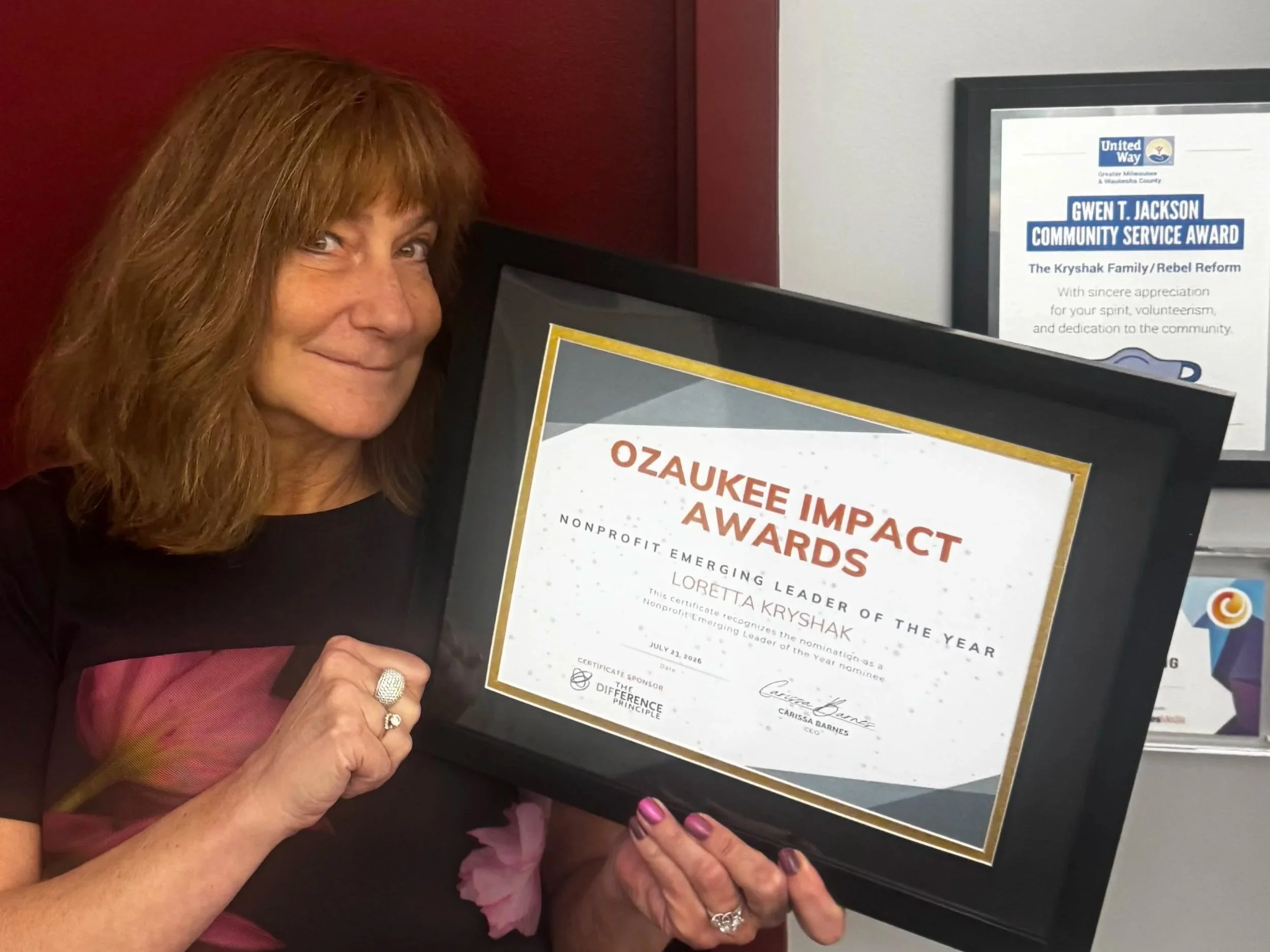
Loretta Kryshak Honored as Nominee at 2026 Ozaukee Impact Awards
Loretta Kryshak, Executive Director of Rebel Reform working with several nonprofits and otheer social causes in the S.E. WI area, was honored as a nominee for Nonprofit Emerging Leader of the Year at the 2026 Ozaukee Impact Awards on Thursday, July 23.
OZAUKEE COUNTY, Wis. — Loretta Kryshak, Executive Director of Rebel Reform working with several nonprofits and otheer social causes in the S.E. WI area, was honored as a nominee for Nonprofit Emerging Leader of the Year at the 2026 Ozaukee Impact Awards on Thursday, July 23.
The awards, presented by the Ozaukee Nonprofit Center and Bank Five Nine, were held at the newly renovated ON Center in Grafton. The annual celebration recognizes individuals, organizations, businesses, and volunteers whose leadership and service strengthen Ozaukee County.
Kryshak received an official nomination certificate at the ceremony, signed by Ozaukee Nonprofit Center CEO Carissa Barnes. The certificate was sponsored by The Difference Principle.
Her nomination reflects her leadership at Rebel Reform, where she has expanded community outreach, strengthened partnerships with local nonprofits, and supported initiatives serving people and families in need across southeastern Wisconsin.
“Being nominated for the Emerging Nonprofit Leader of the Year Award is both humbling and inspiring,” said Kryshak. “This recognition reflects the incredible work of the volunteers, partners, supporters, and organizations we collaborate with every day. Together, we are making a positive impact in the lives of people who need it most.”
As Executive Director of Rebel Reform, Kryshak has helped lead community initiatives focused on humanitarian outreach, charitable giving, volunteer engagement, and support for organizations serving vulnerable populations. Her work has helped connect businesses, nonprofits, and community members around a shared commitment to helping others.
“The Ozaukee Impact Awards are one of our favorite opportunities each year to celebrate the incredible individuals and organizations that make our community stronger,” said Carissa Barnes, CEO of the Ozaukee Nonprofit Center. “Every nominee represents the compassion, collaboration, and commitment that define Ozaukee County.”
For Kryshak, being recognized among Ozaukee County’s emerging nonprofit leaders is less about personal honor and more about the people who make the work possible.
“Every act of kindness creates a ripple effect,” Kryshak said. “I am grateful to be part of a community that continually steps up to support one another and create opportunities for positive change.”
About Loretta Kryshak
Loretta Kryshak is an internationally recognized photographer, humanitarian, and Executive Director of Rebel Reform. Through her leadership and advocacy work, she is committed to strengthening communities, supporting charitable initiatives, and inspiring meaningful change through service and storytelling.
About Rebel Reform
Rebel Reform is a nonprofit organization (community outreach arm of Rebel Converting) dedicated to creating positive change through community engagement, charitable outreach, and partnerships that support individuals and families in need. The organization works alongside local nonprofits, businesses, and volunteers to make a lasting impact throughout Wisconsin communities.
Media Contact: Loretta Kryshak Website: lorettakryshak.com Website: rebelreform.org
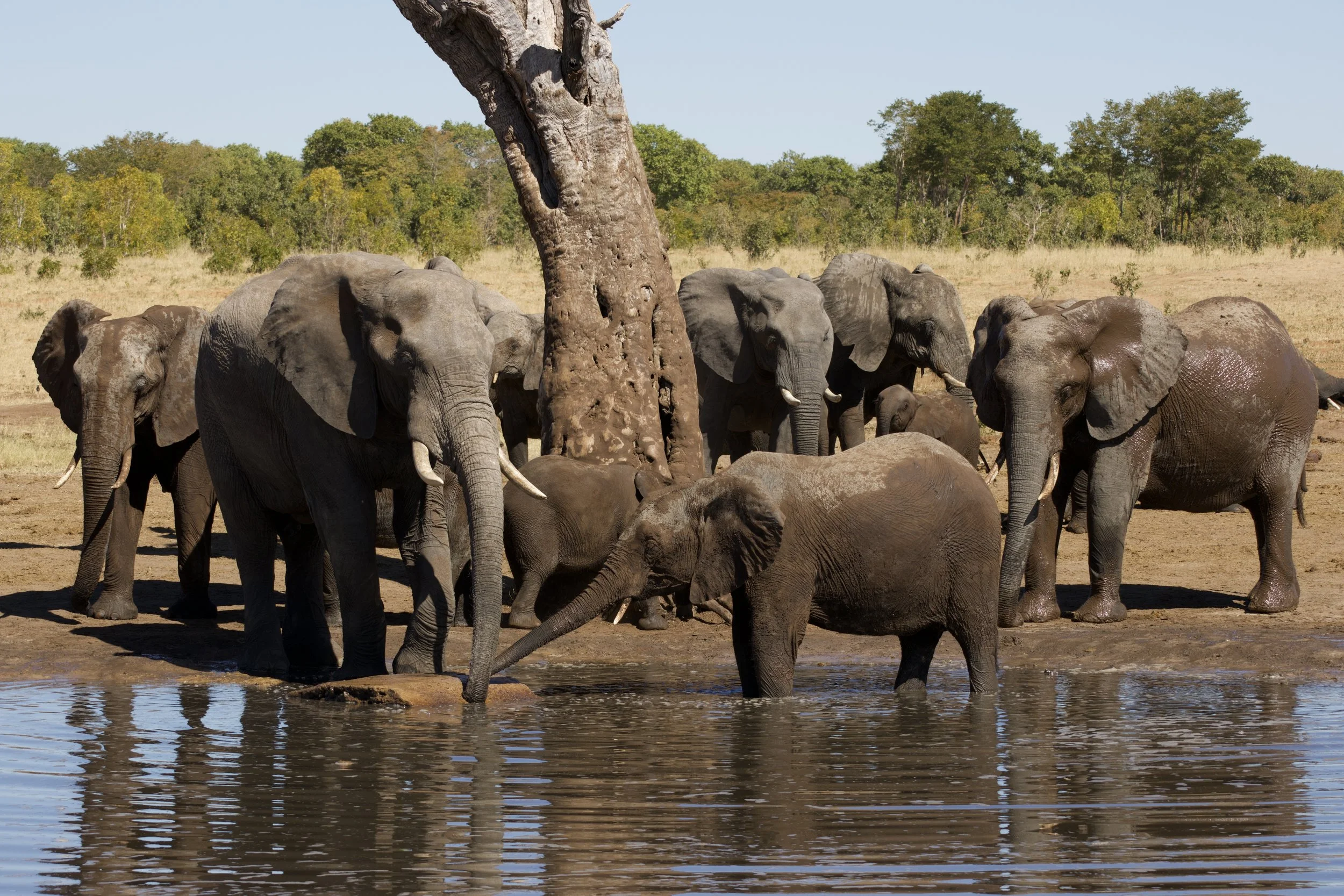
Why Elephants Continue to Inspire My Wildlife Photography in Africa
There are few experiences in life that truly take your breath away. Standing quietly in the African bush as a herd of elephants slowly emerges from the morning mist is one of them.
I've been fortunate to travel to many remarkable places around the world, but Africa holds a special place in my heart. Its landscapes are breathtaking, its wildlife is extraordinary, and every journey reminds me how much beauty still exists in the natural world. While I am fascinated by every animal I encounter on safari, elephants have become my favorite subjects to photograph. There is something almost indescribable about their presence. They are powerful yet gentle, enormous yet graceful, and every encounter leaves me with a renewed sense of wonder.
As a wildlife photographer, I have learned that the best photographs are rarely planned. They happen when patience meets opportunity. Some of my favorite elephant images were captured after spending hours quietly observing a herd without ever touching the shutter. Photography has taught me that nature reveals itself on its own schedule, and Africa has been one of my greatest teachers.
What continues to amaze me most about elephants is their intelligence and the depth of their social bonds. Watching them interact with one another feels remarkably familiar. Mothers patiently guide their calves with reassuring touches of their trunks. Young elephants play with the carefree energy of children while older members of the herd remain watchful and protective. Every movement seems purposeful, and every family interaction tells a story.
There is a quiet dignity about elephants that is difficult to explain until you've experienced it yourself. Even standing only a short distance away, I never feel as though I am simply observing wildlife. Instead, I feel as though I have been invited into a family gathering where trust, communication, and cooperation have been perfected over generations.
One of my favorite aspects of photographing elephants is focusing on their expressions. Most people notice their massive tusks or towering size, but I find myself drawn to their eyes. There is a wisdom reflected there that photographs only begin to capture. Curiosity, patience, compassion, and even sorrow seem to shine through. Scientists have long documented the remarkable intelligence of elephants, including their extraordinary memory, problem-solving abilities, and strong emotional connections within their herds. Spending time with them only reinforces what research has shown for years: these are among the most emotionally complex animals on Earth.
Every safari presents new photographic challenges. The changing light, shifting landscapes, and unpredictable movements of wildlife ensure that no two days are ever alike. There are mornings when the rising sun paints the elephants in soft golden light, creating silhouettes against the African horizon. Other times, dramatic storm clouds gather overhead, transforming an ordinary scene into something almost cinematic. These changing conditions remind me why I continue to return to Africa. Every trip offers opportunities to see familiar animals through entirely new perspectives.
Photography, for me, has never been about collecting pictures. It has always been about preserving moments that tell meaningful stories. A single image can inspire curiosity, encourage conservation, or remind someone of the incredible diversity of life that exists beyond their own backyard. I hope that when people view my photographs, they see more than beautiful wildlife. I hope they see families protecting one another, communities working together, and the quiet strength that exists in nature.
Elephants have also taught me something about patience. In today's world, we often expect everything to happen immediately. Wildlife doesn't operate that way. The most rewarding experiences often come after long periods of waiting, watching, and simply appreciating the present moment. Some of my favorite memories from Africa are not photographs at all. They are the quiet moments between photographs—the distant rumble of elephants communicating across the savanna, the sound of birds greeting the sunrise, or the peaceful silence that settles over the landscape as the day comes to an end.
Every journey to Africa reminds me how important conservation has become. Elephant populations continue to face challenges from habitat loss, human conflict, and poaching in many regions. Fortunately, countless conservation organizations, park rangers, researchers, and local communities dedicate their lives to protecting these magnificent animals and the ecosystems they call home. Their work gives visitors like me the opportunity to witness elephants living as they should wild, free, and surrounded by generations of family.
As both a traveler and a photographer, I believe we have a responsibility to share these experiences in ways that encourage appreciation and stewardship. Every photograph I bring home serves as a reminder that these incredible animals deserve our respect and protection for generations to come.
People often ask why I continue returning to Africa. The answer is simple. Every visit leaves me inspired in ways I never expect. There is always another landscape to explore, another sunrise to experience, another story waiting to unfold. But more often than not, those stories lead me back to elephants.
Their quiet confidence, unwavering family bonds, remarkable intelligence, and timeless presence continue to captivate me every time I lift my camera.
When I look back through my collection of wildlife photographs, I certainly remember where each image was taken. More importantly, I remember how each encounter made me feel. The photographs preserve those memories, but the elephants themselves have left a much deeper impression. They have changed the way I see wildlife, photography, and even the world around me.
That is why I will always return to Africa with my camera ready, hoping to witness one more unforgettable moment with these magnificent giants. Every encounter is different, every photograph tells a new story, and every journey reminds me why I fell in love with wildlife photography in the first place.
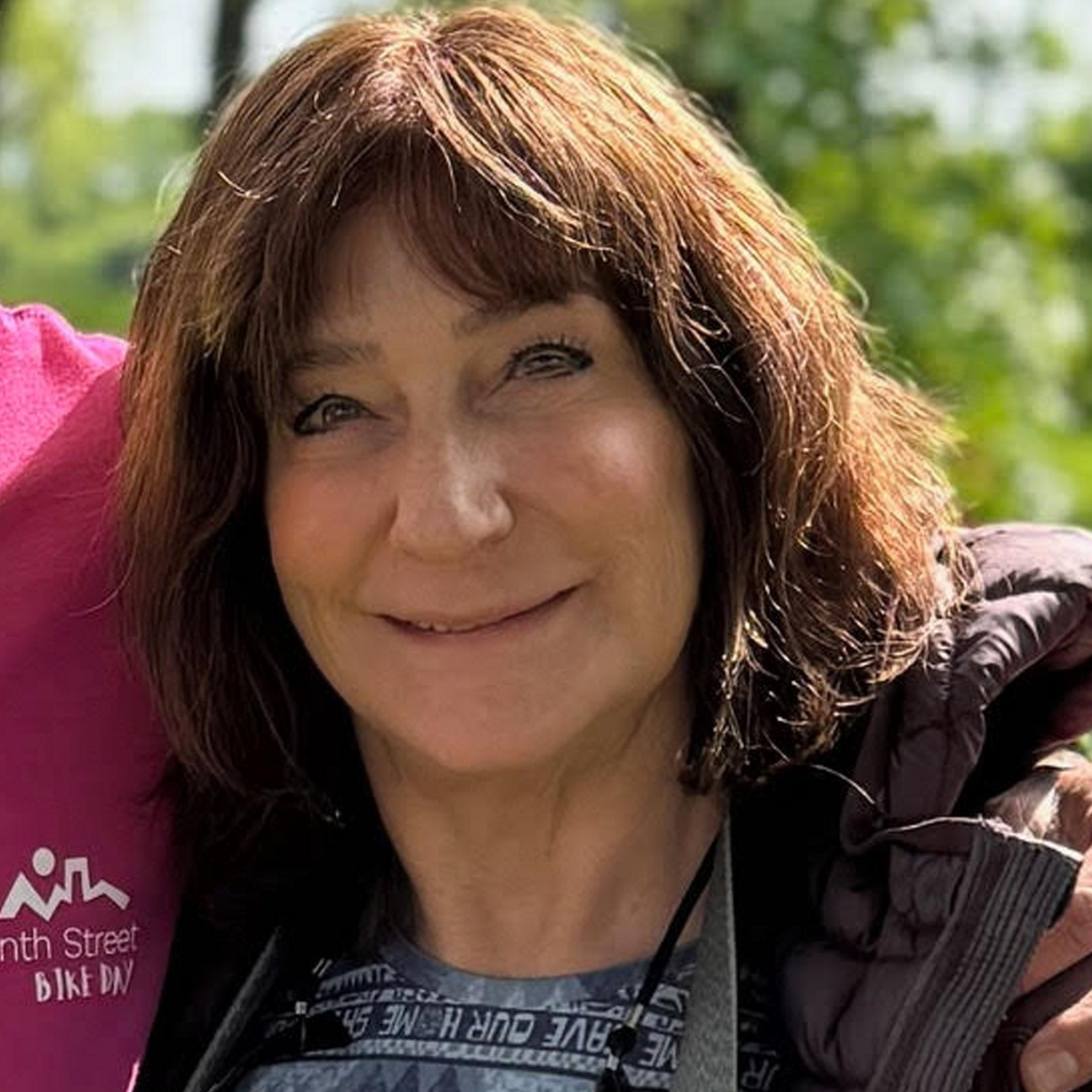
Loretta Kryshak Nominated for 2026 Ozaukee Impact Awards Emerging Nonprofit Leader of the Year
FOR IMMEDIATE RELEASE
OZAUKEE COUNTY, Wis. — Loretta Kryshak, Executive Director of Rebel Reform and internationally recognized photographer, has been nominated for the 2026 Ozaukee Impact Awards in the category of Emerging Nonprofit Leader of the Year.
Presented by the Ozaukee Nonprofit Center and Bank Five Nine, the Ozaukee Impact Awards recognize individuals, organizations, and businesses that have demonstrated exceptional commitment to serving the community and improving the lives of others throughout Ozaukee County.
Kryshak's nomination reflects her leadership, vision, and dedication to creating meaningful change through her work with Rebel Reform. Under her guidance, the organization has expanded its community outreach efforts, strengthened partnerships with local nonprofits, and supported initiatives that address critical needs throughout southeastern Wisconsin.
“Being nominated for the Emerging Nonprofit Leader of the Year Award is both humbling and inspiring,” said Kryshak. “This recognition reflects the incredible work of the volunteers, partners, supporters, and organizations we collaborate with every day. Together, we are making a positive impact in the lives of people who need it most.”
As Executive Director of Rebel Reform, Kryshak has helped lead numerous community initiatives focused on humanitarian outreach, charitable giving, volunteer engagement, and support for organizations serving vulnerable populations. Her leadership has helped build stronger connections between businesses, nonprofits, and community members who share a commitment to helping others.
The Ozaukee Impact Awards recognize excellence in community service through several categories, including Nonprofit of the Year, Community Stewardship of the Year, Volunteer of the Year, Community Collaboration of the Year, and the Legacy Award.
Award recipients will be announced during the Ozaukee Impact Awards celebration on July 23, 2026.
For Kryshak, the nomination represents more than personal recognition—it highlights the power of collaboration and the collective impact that can be achieved when people come together to serve their communities.
“Every act of kindness creates a ripple effect,” Kryshak said. “I am grateful to be part of a community that continually steps up to support one another and create opportunities for positive change.”
About Loretta Kryshak
Loretta Kryshak is an internationally recognized photographer, humanitarian, and Executive Director of Rebel Reform. Through her leadership and advocacy work, she is committed to strengthening communities, supporting charitable initiatives, and inspiring meaningful change through service and storytelling.
About Rebel Reform
Rebel Reform is a nonprofit organization dedicated to creating positive change through community engagement, charitable outreach, and partnerships that support individuals and families in need. The organization works alongside local nonprofits, businesses, and volunteers to make a lasting impact throughout Wisconsin communities.
Media Contact:
Loretta Kryshak
Website: lorettakryshak.com
Website: rebelreform.org
Honored to Be Nominated for the 2026 Ozaukee Impact Awards Emerging Nonprofit Leader of the Year
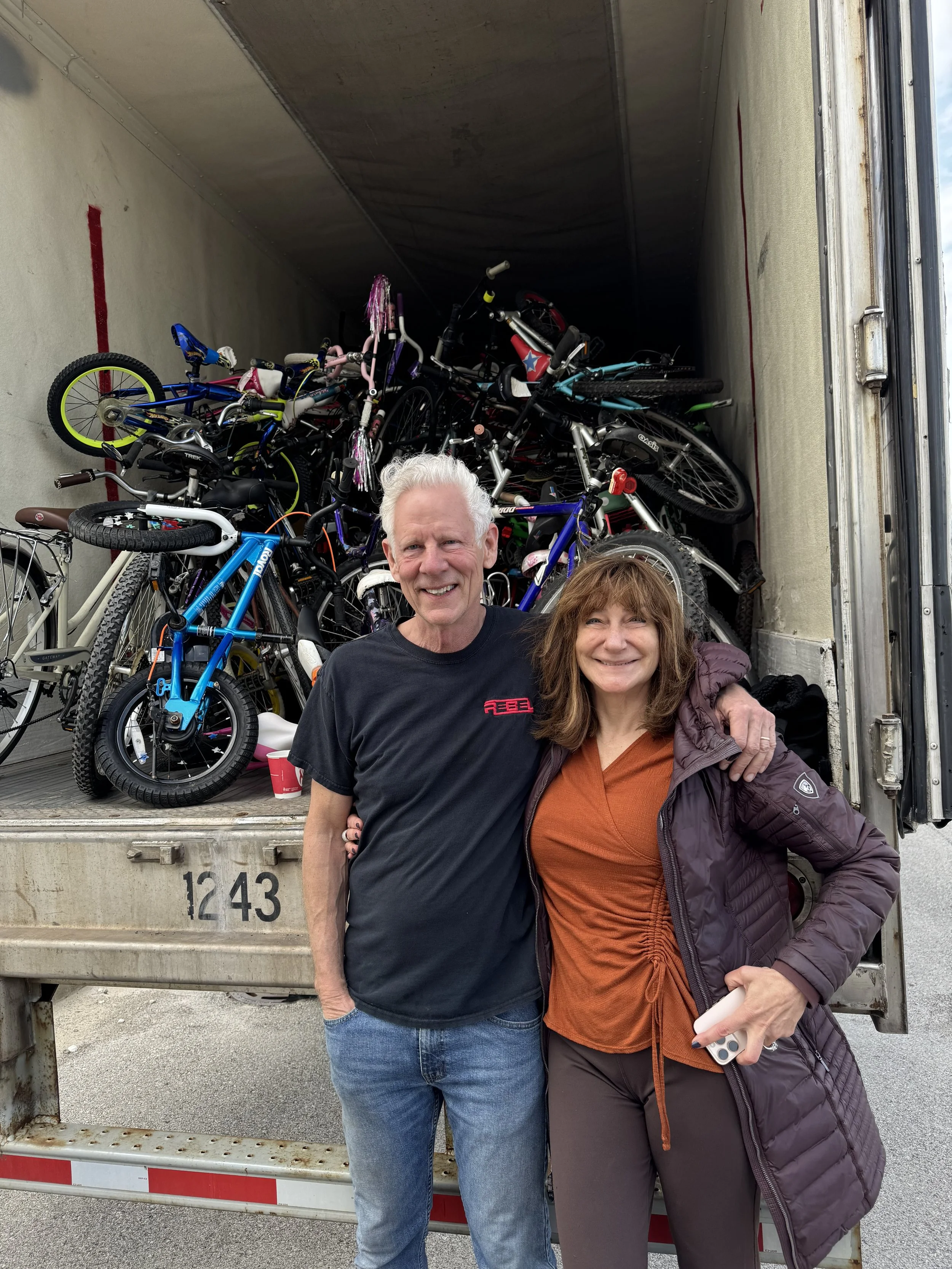
Make it stand out
“I am honored and deeply grateful to share that I have been nominated for the 2026 Ozaukee Impact Awards Emerging Nonprofit Leader of the Year.”
-Loretta Kryshak
Presented by the Ozaukee Nonprofit Center and Bank Five Nine, the Ozaukee Impact Awards celebrate individuals, organizations, businesses, and volunteers who have made a meaningful difference in the lives of others through service, leadership, and community engagement.
To be recognized by members of the community I care so deeply about is incredibly humbling.
While this nomination bears my name, it truly represents the collective efforts of the many people who work tirelessly to make a positive impact every day. Through my role as Executive Director of Rebel Reform, I have had the privilege of working alongside remarkable volunteers, nonprofit leaders, community partners, donors, and advocates who continually demonstrate what can be accomplished when people come together for a common purpose.
Over the past year, I have witnessed firsthand the generosity and compassion that exist throughout Ozaukee County and southeastern Wisconsin. From supporting local charitable organizations to helping create opportunities for individuals and families facing difficult circumstances, our community consistently proves that meaningful change happens when people are willing to serve others.
One of the most rewarding aspects of my work is seeing the ripple effect that kindness can create. A single act of generosity often inspires another, and those moments can transform communities in ways that extend far beyond what we initially imagine.
This nomination also reflects the mission that drives everything I do, both professionally and personally. Whether through photography, storytelling, nonprofit leadership, or community outreach, I believe that every person deserves to feel seen, valued, and supported. My goal has always been to use my platform and experiences to help connect people, raise awareness, and encourage action that creates lasting positive change.
I would like to sincerely thank the individual who nominated me for this recognition. Your confidence and support mean more than words can express.
Most importantly, I want to thank every volunteer, supporter, donor, board member, community partner, and friend who has joined us in our mission. This nomination belongs to all of you as much as it belongs to me.
The Ozaukee Impact Awards ceremony will take place on July 23, 2026, and I am honored simply to be included among so many inspiring individuals and organizations making a difference throughout our community.
No matter the outcome, I remain committed to continuing the work that matters most: helping others, strengthening communities, and creating opportunities for positive change.
Thank you for being part of this journey.
With gratitude,
Loretta Kryshak
Executive Director, Rebel Reform
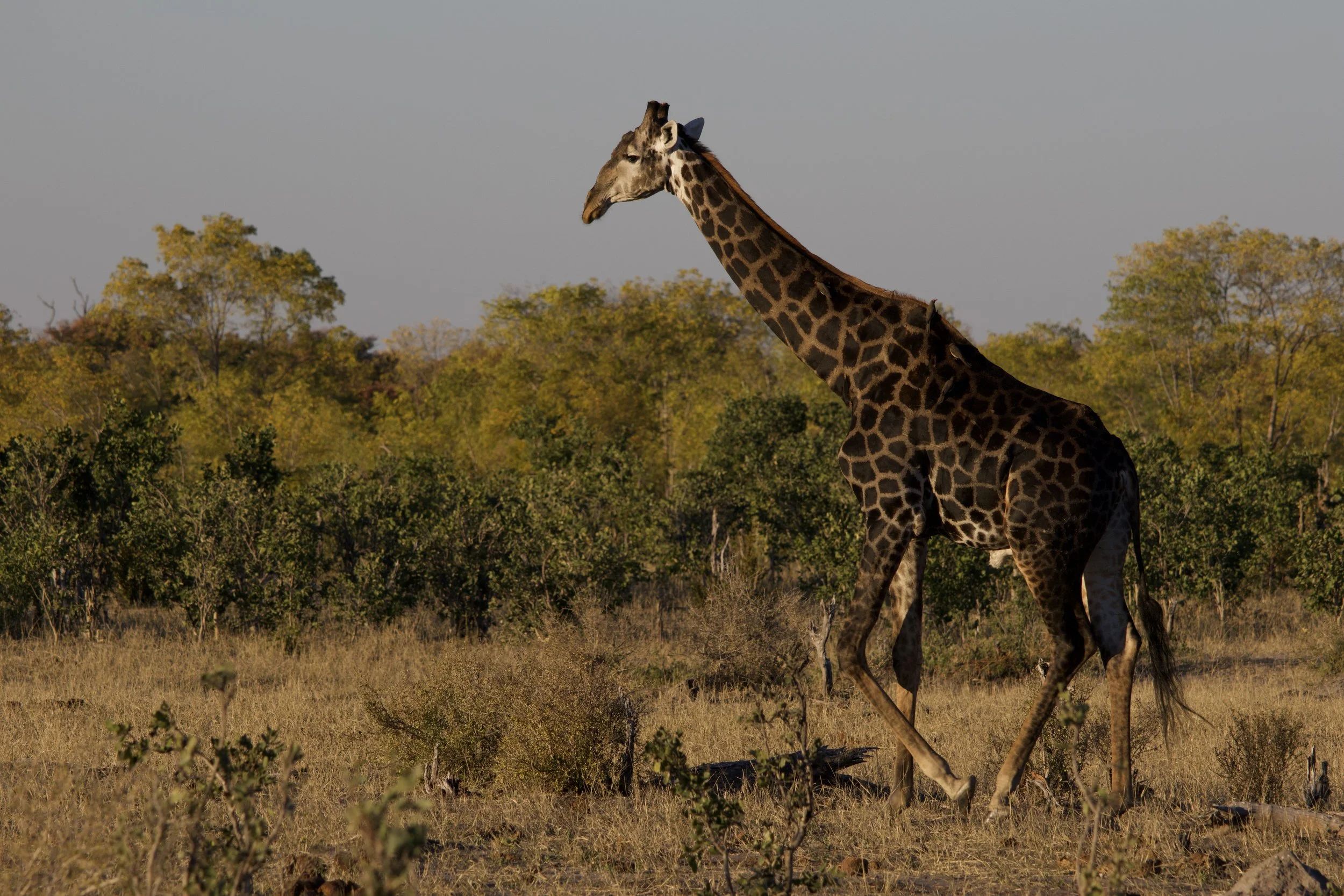
What Africa Taught Loretta Kryshak About Humanity, Travel, and Seeing the World Differently
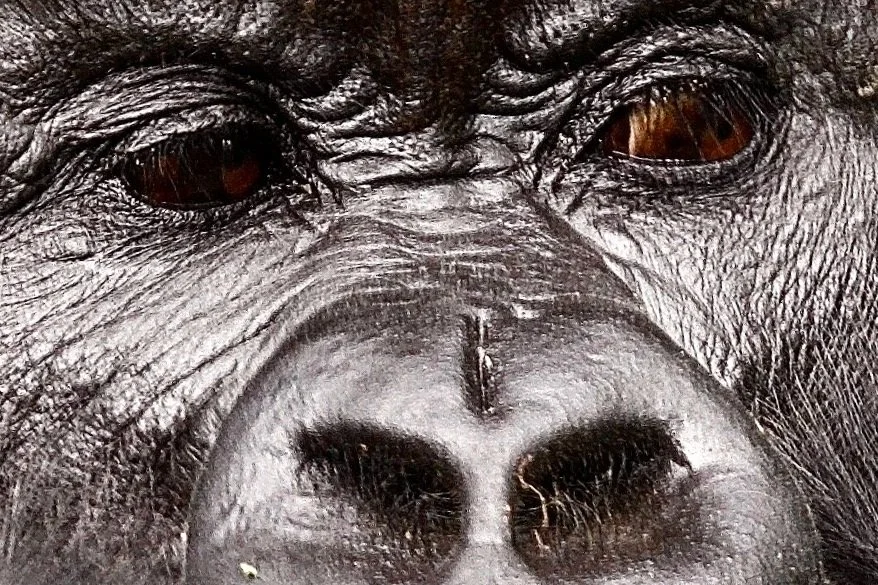
There are places in the world that change the way you think, and then there are places that change the way you see.
For Loretta Kryshak, Africa became both.
Long before she was known for her humanitarian leadership through Rebel Reform or her award-winning photography featured on LorettaKryshak.com, Loretta believed travel had the power to expand a person’s understanding of the world. But visiting Africa transformed that belief into something much deeper: an understanding that travel is not about escape. It is about perspective.
As someone who has traveled to all seven continents, Loretta has photographed glaciers in Antarctica, crowded city streets in Southeast Asia, and remote landscapes few people ever experience. Yet Africa left a distinct impression on her, not simply because of its wildlife or scenery, but because of the people she encountered and the lessons those experiences carried home with her.
Why Loretta Kryshak Loves to Travel
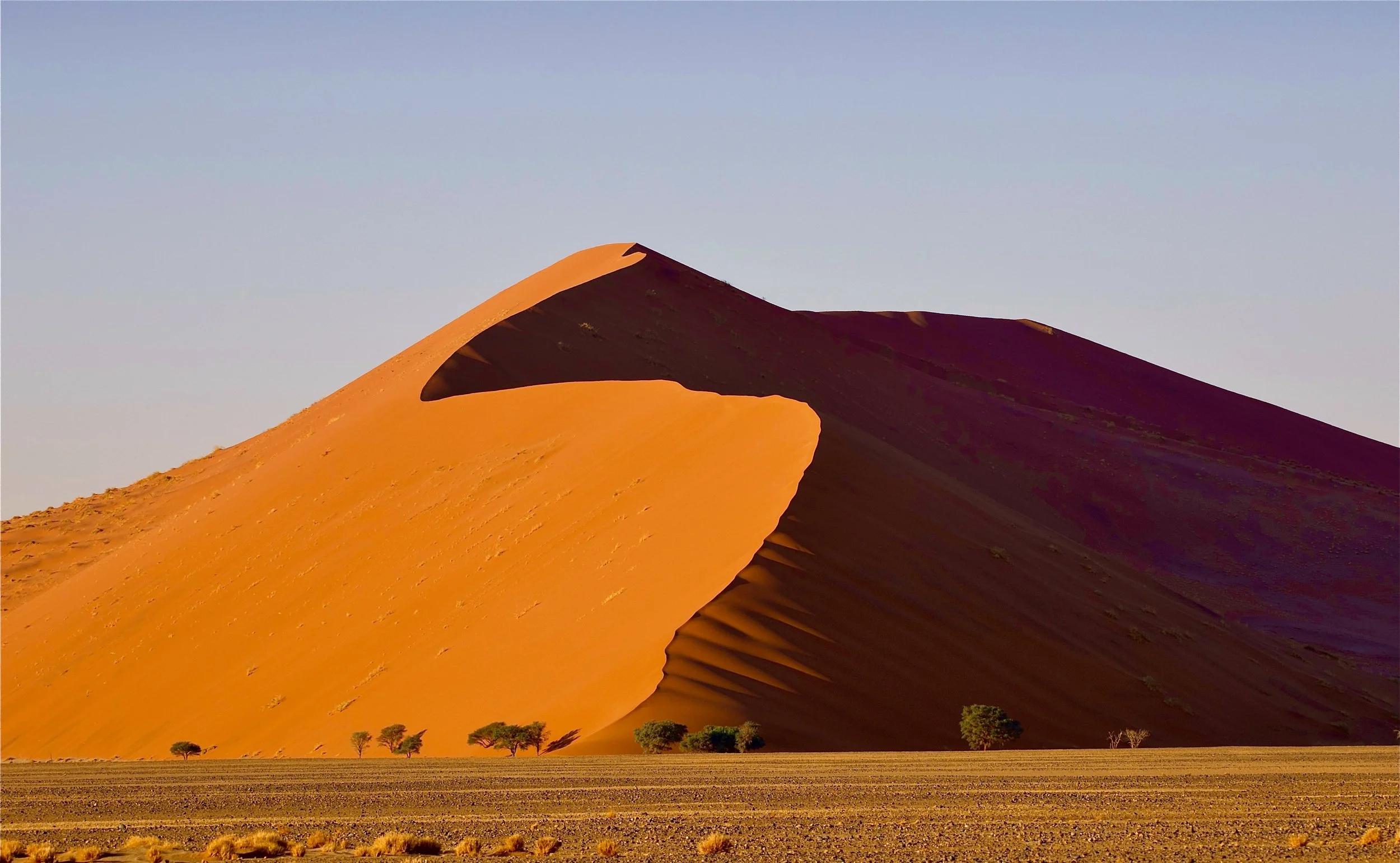
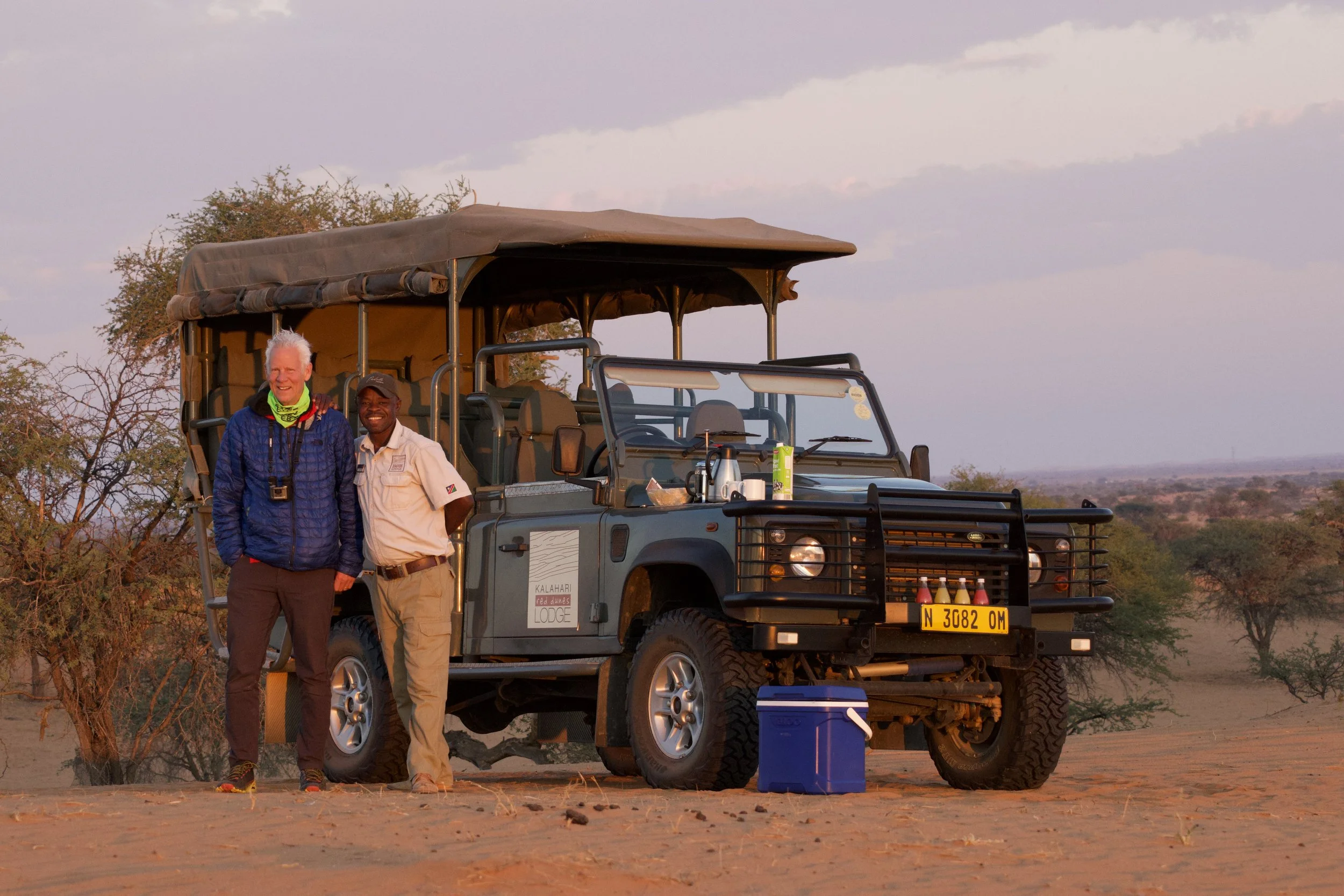

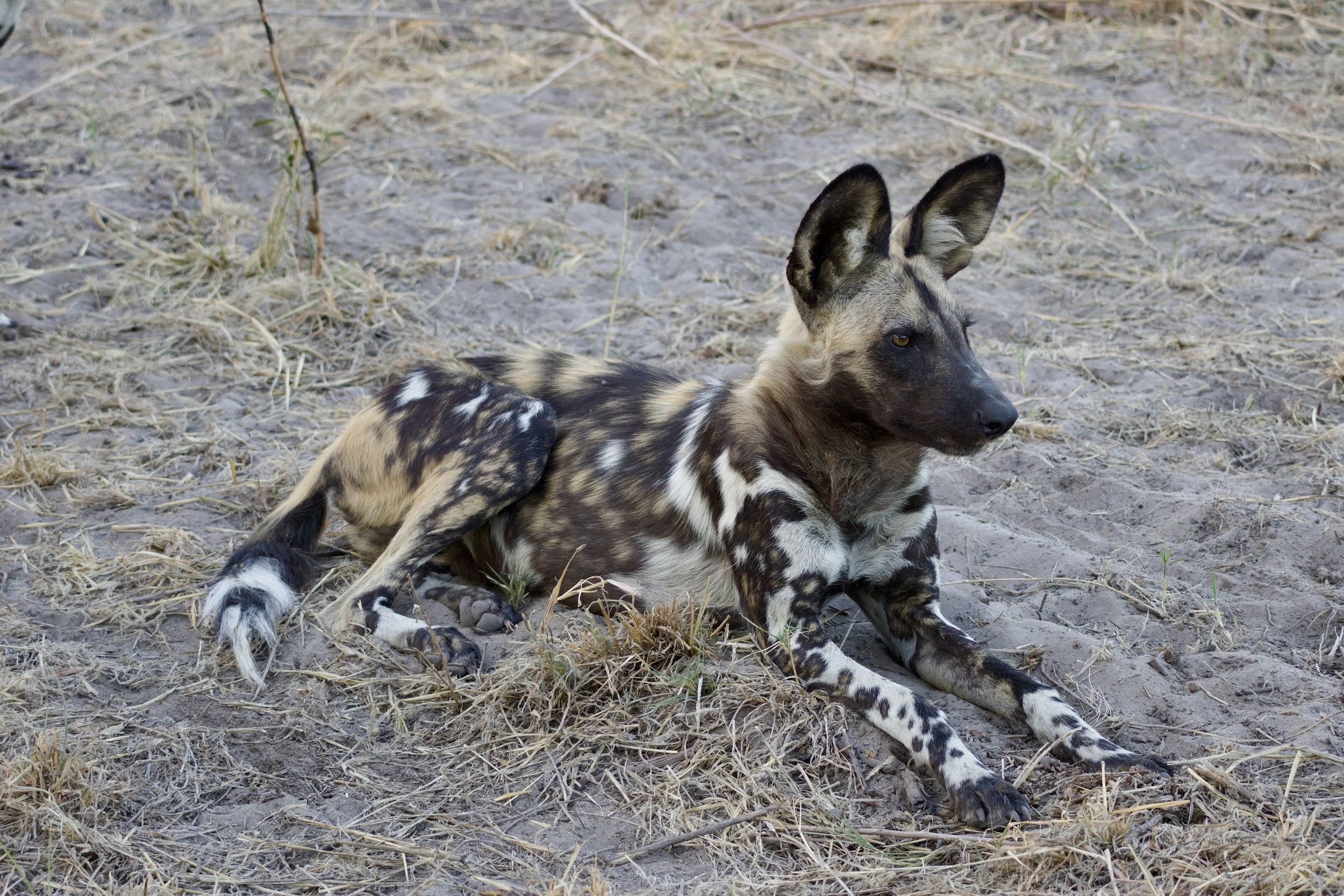
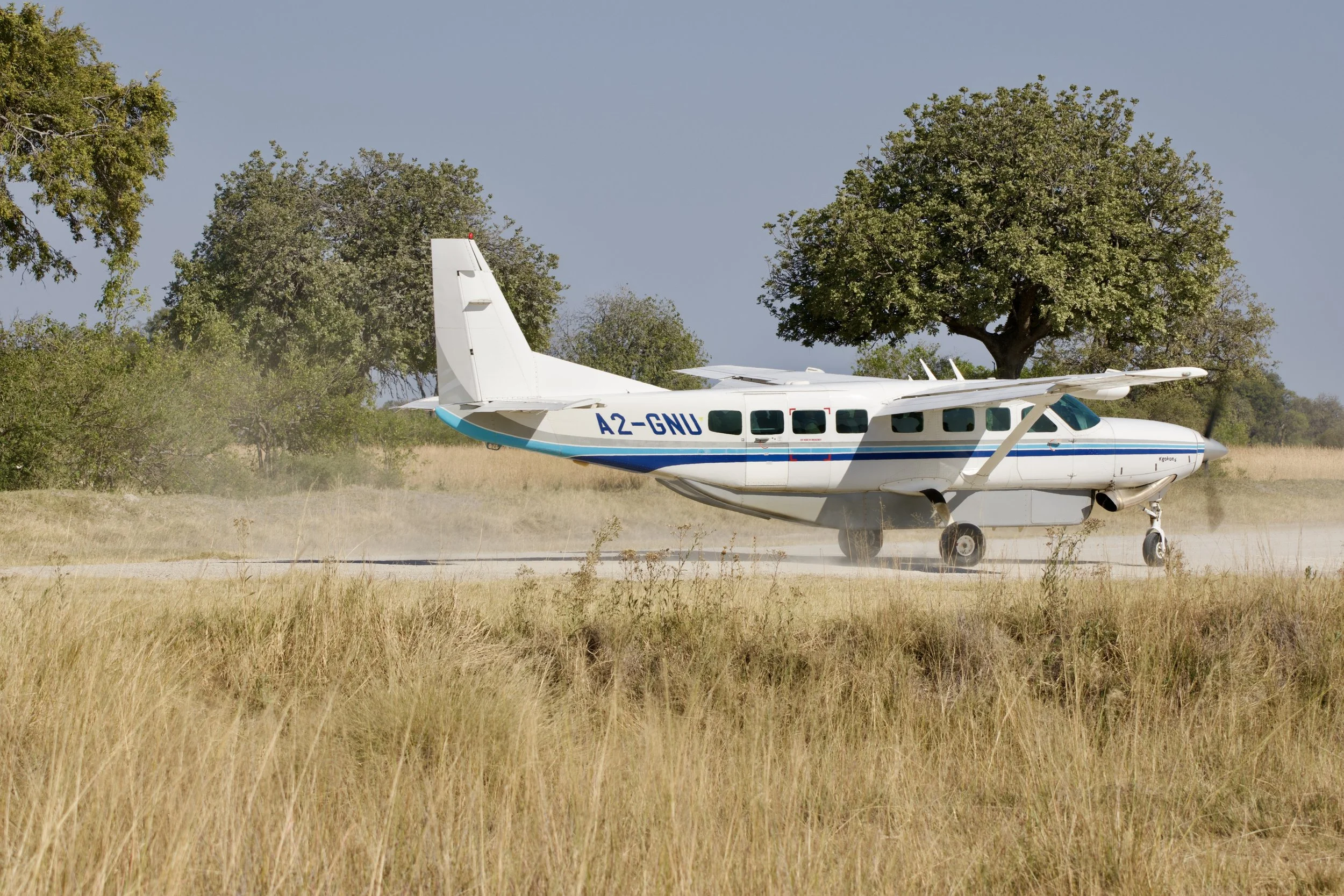
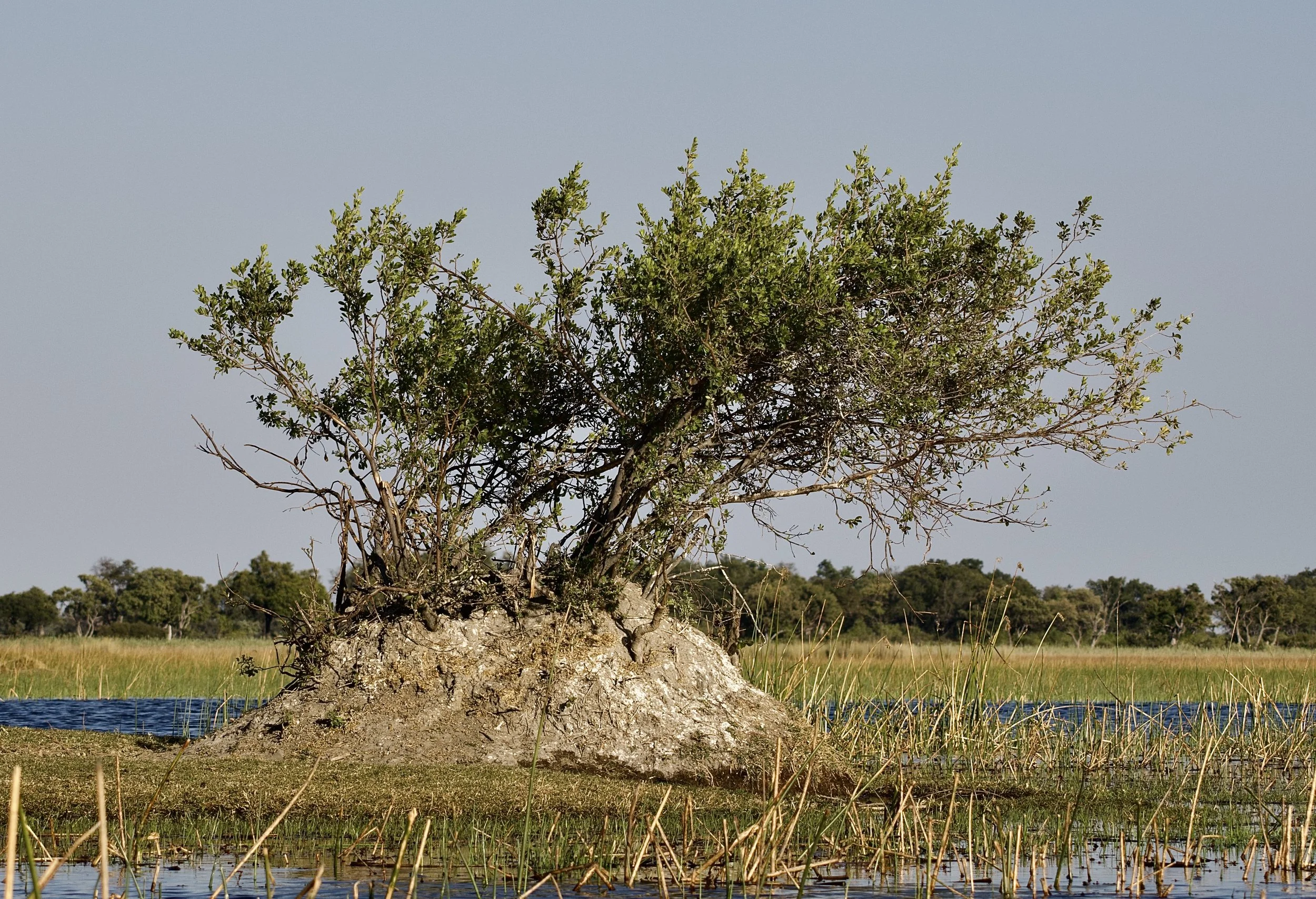

For Loretta, travel has never been about checking destinations off a list. It has always been about understanding how people live, connect, survive, celebrate, and support one another across different cultures.
That philosophy is visible throughout her photography and humanitarian work. On her website, Loretta describes photography as a process of “looking past the familiar” and learning to see beyond the obvious.
Africa reinforced that mindset in ways she did not expect.
The experience challenged assumptions about happiness, success, and community. In many of the villages and communities she encountered, Loretta witnessed people with fewer material possessions than most Americans, yet with an extraordinary sense of resilience, generosity, and human connection.
She returned home with a renewed appreciation for the importance of community; something that would later continue shaping her work in Milwaukee through Rebel Reform’s outreach efforts.
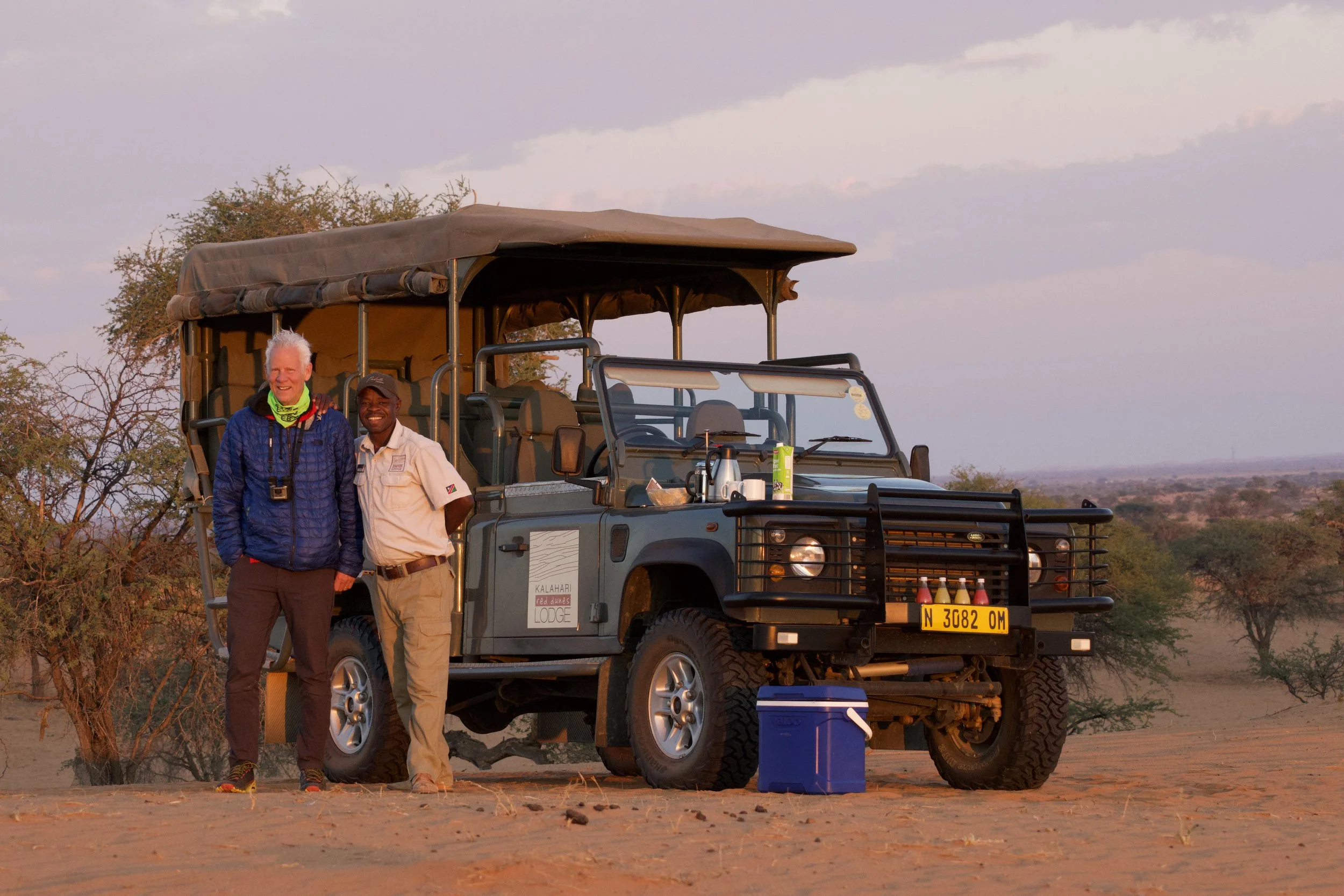
The Power of Human Connection in Africa
One of the things Loretta often reflects on from her travels is how universal kindness can be.
Despite language barriers and cultural differences, she found moments of connection everywhere she went in Africa. Conversations did not always require perfect communication. Sometimes a smile, a shared meal, or simply showing respect was enough.
Those experiences became deeply influential in how she approaches both photography and philanthropy today.
In later interviews and essays, Loretta has written that travel taught her attention is the foundation of everything meaningful whether documenting a photograph, helping a community, or leading an organization.
Africa became one of the clearest examples of that lesson.
Rather than rushing through destinations, Loretta spent time observing daily life, listening to stories, and documenting moments that reflected humanity rather than stereotypes. The trip reminded her that the most meaningful travel experiences are often the quietest ones.
How Africa Influenced Loretta Kryshak’s Humanitarian Work
The Kryshak family’s travels, including volunteer work in Africa, helped shape the philanthropic philosophy behind Rebel Reform and many of the community initiatives Loretta leads today.
Seeing poverty firsthand in parts of Africa did not leave Loretta feeling hopeless. Instead, it strengthened her belief that local action matters.
That perspective carried into projects throughout southeastern Wisconsin, including:
helping underserved Milwaukee communities through Rebel Reform partnerships.
Travel gave Loretta a broader understanding of how interconnected communities really are. Problems may look different across continents, but compassion, dignity, and opportunity matter everywhere.
Photography, Africa, and Learning to Slow Down
Africa also influenced Loretta’s growth as a photographer.
The landscapes, wildlife, and light offered extraordinary photographic opportunities, but what stayed with her most were the human moments; everyday interactions, expressions, and environments that revealed authenticity rather than performance.
Her photography philosophy increasingly shifted away from simply capturing images and toward documenting emotion, atmosphere, and perspective.
As Loretta has written previously, “Sometimes the most important thing a photographer can do is wait.”
Africa taught her patience.
It taught her that not every meaningful experience happens on a schedule and that some of the most powerful images come from observation rather than interruption.
What Loretta Kryshak Wants People to Understand About Travel
In an era where social media often turns travel into performance, Loretta believes meaningful travel should still involve curiosity, humility, and openness.
Travel is not about proving you have been somewhere. It is about allowing a place to affect you.
For Loretta Kryshak, Africa became one of those places.
The experience deepened her understanding of humanity, strengthened her commitment to service, and reminded her why she values documenting the world through both photography and humanitarian work.
Today, those lessons continue to influence everything from her photography portfolio to her leadership with Rebel Reform and her ongoing community outreach efforts throughout Milwaukee and beyond.

Behind Rebel Reform: Loretta Kryshak’s Mission to Create Meaningful Change
For many people, photography is about capturing beautiful moments. For Loretta Kryshak, it has always been about something deeper; creating human connection, preserving stories, and inspiring meaningful change.
As an internationally recognized photographer and the Executive Director of Rebel Reform, Loretta has built a career that blends creativity, compassion, and advocacy. While her photography has taken her across the globe, her work through Rebel Reform reflects a mission much closer to home: helping communities, supporting people in need, and creating lasting impact through service and storytelling.
The Vision Behind Rebel Reform

Rebel Reform was created with a simple but powerful belief: real change begins when people feel seen, heard, and valued.
Under Loretta Kryshak’s leadership, the organization focuses on humanitarian outreach, community engagement, and initiatives that bring people together through empathy and action. The work is rooted in the understanding that every person has a story worth telling and every community deserves support.
For Loretta, leadership has never been about titles or recognition. It has always been about connection.
“Photography taught me to slow down and truly see people,” she explains. “That same mindset shapes the way I approach leadership and community work.”
That perspective has become a defining part of Rebel Reform’s mission.
Using Storytelling to Create Impact
One of the unique aspects of Rebel Reform is the role storytelling plays in its outreach efforts.
In today’s digital world, people are constantly overwhelmed with information. Statistics and headlines may grab attention for a moment, but personal stories are what create lasting emotional connection. Loretta’s background as a photographer has given her a distinct ability to recognize those moments of humanity that often go unnoticed.
Whether documenting communities, supporting charitable initiatives, or advocating for causes that matter, she believes storytelling can help bridge divides and inspire action.
Photography, in many ways, became the foundation for that philosophy.
Years spent photographing remote landscapes, humanitarian efforts, and candid human moments taught Loretta that some of the most meaningful experiences happen quietly. Those lessons continue to influence the way Rebel Reform communicates its mission and serves the community.
Leading With Creativity and Compassion
Creative leadership is not always associated with nonprofit work, but Loretta believes creativity is one of the most important tools a leader can possess.
The ability to think differently, connect emotionally, and communicate visually allows organizations to engage communities in a more authentic way. Through Rebel Reform, Loretta has worked to combine advocacy with creativity to help bring awareness to important causes while building stronger community relationships.
Empathy also plays a central role in her leadership style.
Rather than focusing solely on programs or outcomes, Loretta emphasizes the importance of listening to people’s experiences and understanding the human side of every issue. That approach has helped shape Rebel Reform into an organization centered on dignity, compassion, and meaningful connection.
The Challenges of Nonprofit Leadership
Like many nonprofit leaders, Loretta understands that creating meaningful change comes with challenges.
Community organizations often operate with limited resources while trying to address complex social issues. Balancing advocacy, outreach, fundraising, and long-term impact requires persistence and adaptability.
But for Loretta, the work remains deeply personal.

Her experiences as a photographer taught her that even small moments can leave a lasting impact. A single image can change perspective. A conversation can inspire hope. A community initiative can improve lives in ways that extend far beyond what people initially see.
That belief continues to drive her work with Rebel Reform today.
Why Human Connection Still Matters
In an increasingly fast-paced and digital world, Loretta believes authentic human connection has never been more important.
Much of today’s communication happens through screens, algorithms, and short attention spans. Rebel Reform aims to create something more personal; a reminder that compassion, service, and storytelling still matter.
Through both her photography and nonprofit leadership, Loretta Kryshak continues to focus on the same core mission: helping people feel connected to one another and inspired to make a difference.
Because behind every photograph, every community initiative, and every act of advocacy is ultimately the same goal, creating meaningful change through humanity itself.
Seven Continents Through the Lens: How World Travel Shaped Loretta Kryshak as a Photographer and Humanitarian
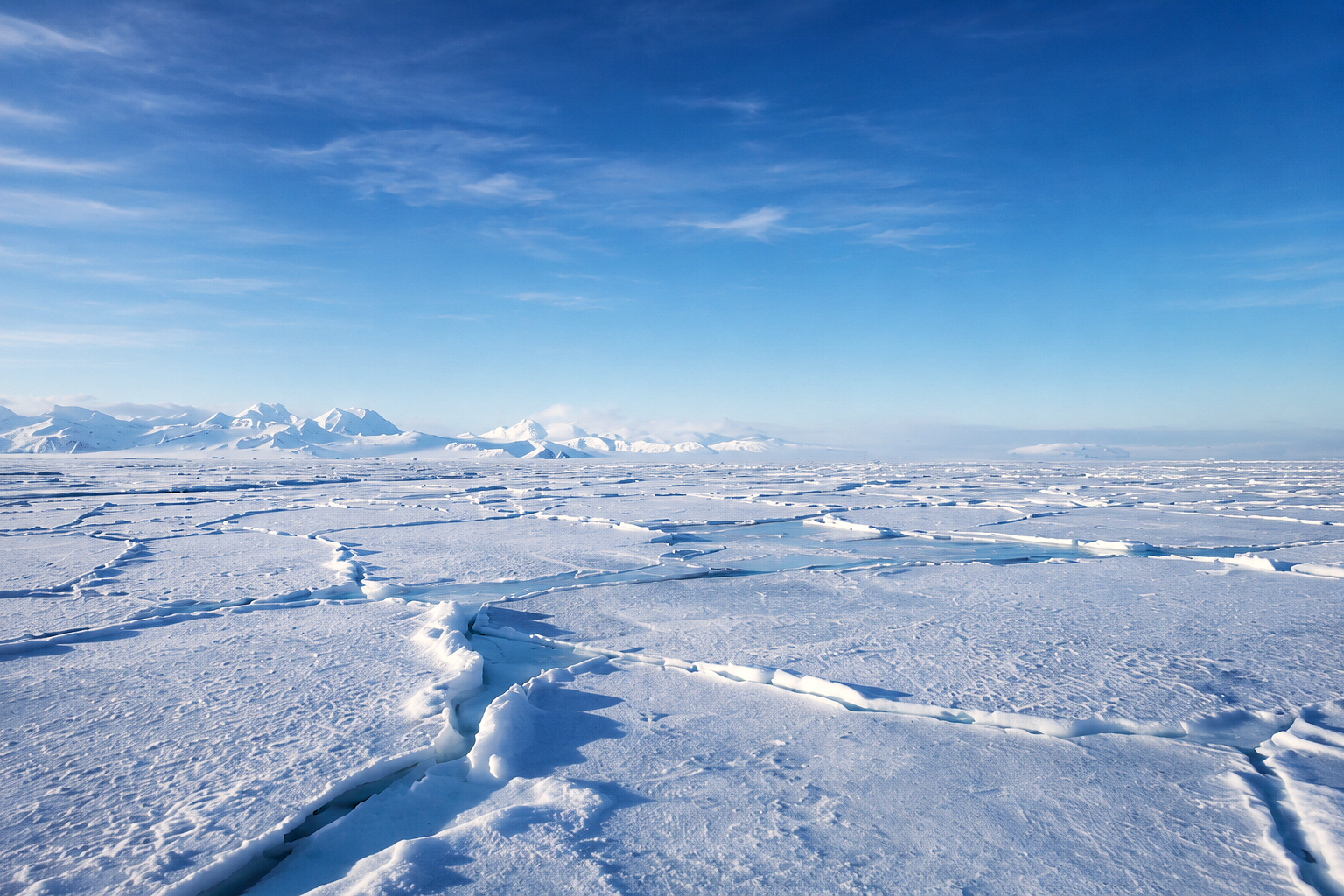
There is a photograph I took in Antartica that I return to often. No people, no color, no movement just a vast plane of ice stretching toward a horizon that seemed to belong to another world entirely. The light was coming from everywhere at once, flat and blue-white and completely unlike anything I had encountered before. I stood there for a long time before I raised my camera. Sometimes the most important thing a photographer can do is wait.
That moment, and hundreds like it across seven continents, is what has shaped me, not just as a photographer, but as a person who believes deeply in the power of paying attention. Over the years, my camera has taken me from the markets of Southeast Asia to the glaciers of Antarctica, from the plains of Africa to the alleyways of South America, and every single place has left something in my photographs and in me.

Why Seven Continents?
People sometimes ask whether completing all seven continents was a goal I set out to achieve deliberately. The honest answer is that it grew naturally from a fundamental restlessness; a belief, held since I was young, that the world is far larger and stranger and more beautiful than any one place can show you.
My husband Mike and I have always believed that travel is among the most important investments a family can make. Not tourism exactly, though there is nothing wrong with tourism. But genuine, slow, attentive travel, the kind where you eat where locals eat, stay long enough to notice patterns, and bring your children along so they learn early that their way of doing things is one way among many. We have homeschooled our children in countries across Southeast Asia. We have volunteered alongside communities in Africa and India. We have stood on every continent and tried, imperfectly, to understand what we were seeing.
The camera is what makes me look carefully enough to actually see it.
Africa: Learning to Wait

Africa was where I first understood that wildlife photography is almost entirely an exercise in patience. You can have the best equipment, the perfect light, the ideal position and still miss the photograph if you move too soon or too late.
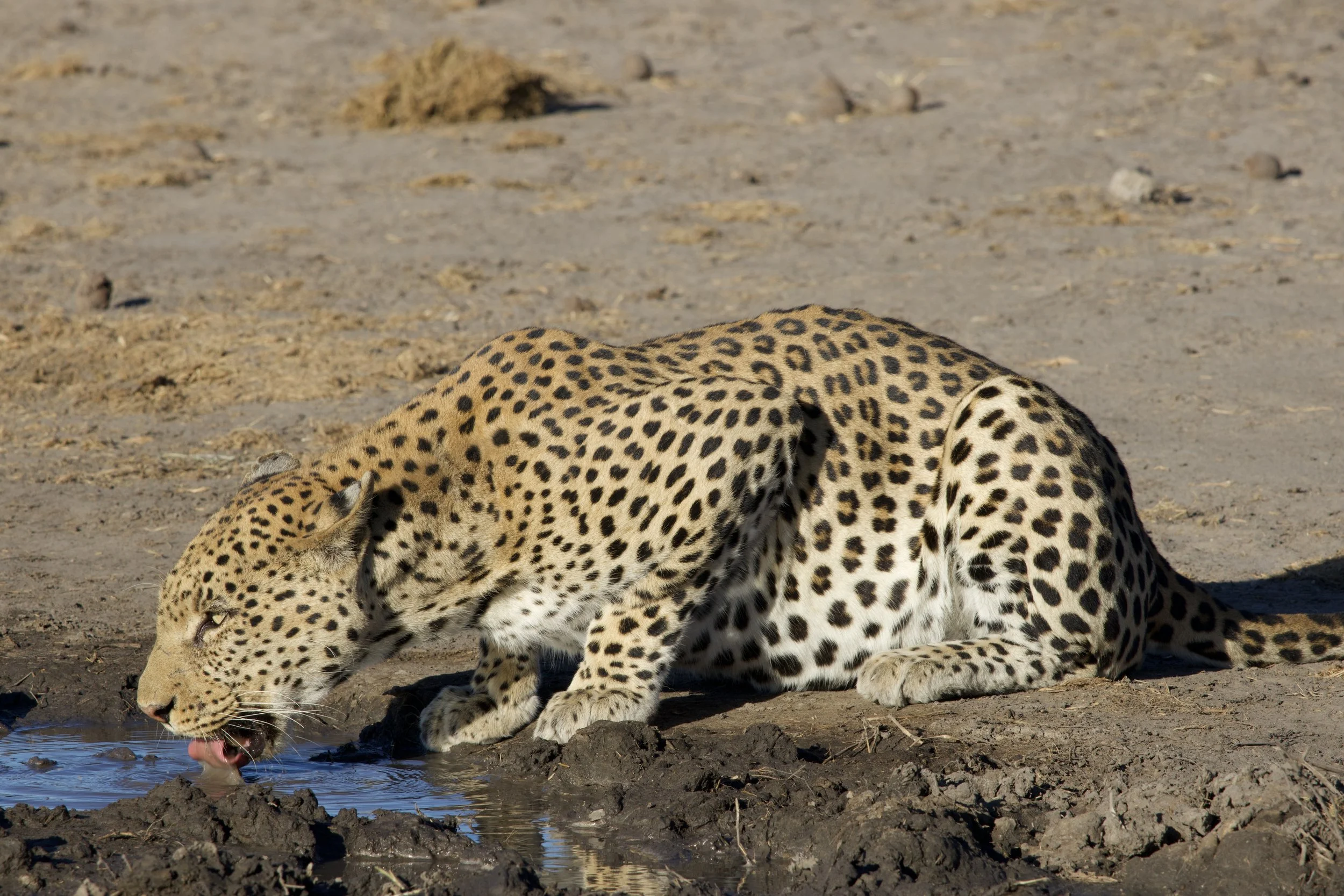
I photographed a leopard in the early morning, in that brief window when the light is neither harsh nor flat but golden and directional and alive. The leopard held still. I held still. For a few seconds, we were simply two creatures occupying the same patch of morning, and then it was over. I had the frame. But I only had it because I had learned, by that point, to resist the urge to shoot immediately and instead wait for the moment that was actually there, not the one I expected.
Africa also gave me some of my most humanizing experiences as a traveler. The communities I visited — often with volunteer groups, sometimes through connections made by Rebel Reform — maintained extraordinary social cohesion with far fewer material resources than any community I had encountered at home in Milwaukee. DELETE: That observation did not make me feel superior or generous. It made me feel instructed. These communities knew things about mutual support and human connection that I had been trying to build programmatically for years. I photographed what I saw and brought those images home as reminders.
South America: Grassroots Lessons
South America is where I learned the most about grassroots organizing, and I learned it not from a workshop or a book but from watching local nonprofit leaders work with almost nothing and accomplish extraordinary things.
I was particularly struck by the specificity of their interventions. Nothing was abstract. Everything was aimed at a particular person in a particular circumstance this family needs this, that neighborhood is missing that. The photography I did there reflects that specificity. I was drawn less to sweeping landscapes than to close, quiet portraits of everyday life: a woman arranging produce at a market stall, a child walking to school along a road that was more dust than pavement, an elderly man sitting in the shade outside a building whose walls told a hundred years of history in their peeling paint.
Those images, and the organizing philosophy behind them, came back to Milwaukee with me and shaped how I think about Rebel Reform's work. We try to be specific. We try to serve the person in front of us, not an abstraction of need.
India: The Weight of Scale
India humbled me in ways I did not fully expect. I had traveled widely before I went, and I thought I was prepared for the scale of what I would see. I was not.

What I found there was not only poverty though the poverty was real and confronting but also resilience of a kind that photography struggles to capture because it is so interior, so embedded in daily life that it doesn't announce itself. The most powerful images I made in India were not of suffering. They were of ordinary persistence: a family cooking dinner, a group of children doing homework on a rooftop, a man repairing a bicycle beside a road.
The bicycle image stayed with me for a long time. There is something universal about a bicycle about the modest miracle of human-powered mobility that cuts across every culture I've visited. It is perhaps part of why the bike giveaway program at Rebel Reform has always felt so personally meaningful to me. We have given away more than 4,000 bicycles to children in Milwaukee through our partnership with community organizations. Every single time I watch a child ride away on one of those bikes, I think about that man on the roadside in India, and the image I almost didn't take because I was moving too fast.
Southeast Asia: Color, Chaos, and the Case for Black and White
Southeast Asia presented me with a problem I have never entirely solved: it is almost impossibly colorful. Markets stacked with fruit and textiles, temples draped in gold, streets painted in ways that seem to defy any single frame.
And yet my best work from that part of the world is in black and white.
I have spent a lot of time thinking about why. Part of it is simply that color, in a scene so saturated with it, can overwhelm the photograph's other elements its geometry, its human story, its emotional core. Stripping the color away forces the viewer to look at what is actually happening, not just what is visually spectacular.
But I think there is something else too. Black-and-white photography insists on a kind of permanence. It removes the image from its specific historical moment from the particular fashions and signs and technologies that date a photograph and makes it feel, instead, like something that has always been true and will go on being true. The weight of a vendor's concentration over her stall. The way light divides a narrow street into two worlds. The laughter on a child's face. These things do not belong to a decade. They belong to the human experience.
That belief that there are things worth photographing because they are permanently true is one I carry into my humanitarian work as well. The need for dignity. The hunger for community. The particular joy of a child with a bicycle. These are not trends. They are constants.
Australia and New Zealand: Space and Silence
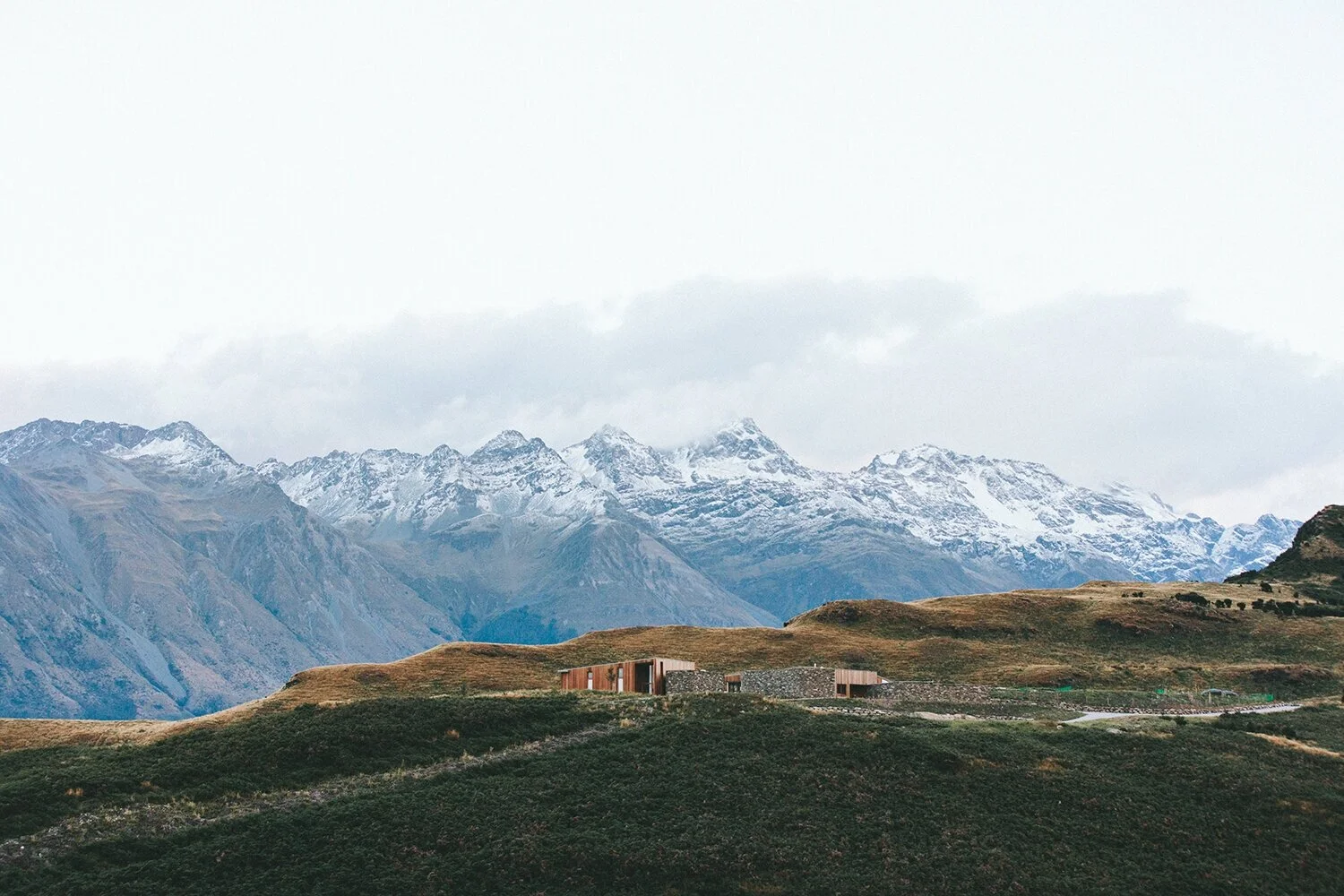
I have found, in my travels, that the photographs I treasure most from sparsely populated places are rarely the dramatic ones. They are the quiet ones. A single tree in a field. A road disappearing into distance. A sky with room enough in it to think.
Australia and New Zealand gave me space in a way that few other places have. Space to be a small thing in a large landscape, which is a perspective I find useful to revisit periodically. When you run an organization, manage relationships, coordinate logistics, and advocate loudly for the people your programs serve, it is easy to lose the thread of your own smallness. These landscapes restored it.
The photographs I brought back from that part of the world are among the most minimal of my career. Very little in the frame. A great deal of sky. I love them precisely because they are so different from the density and urgency of the work I do at home.
Antarctica: The Continent That Stopped Me Cold
I have already written elsewhere about Antarctica, but I will say again here what I always say: it is the place that stays with me most.
There is no culture to photograph in Antarctica in the way there is culture in every other place I have visited. No markets, no architecture, no faces shaped by generations of particular history. There is only the planet itself ice and sky and the sound of wind and, on certain extraordinary mornings, complete silence.
My black-and-white work from Antarctica was recognized with an honorable mention at the Monochrome Awards, and while I am proud of that recognition, what I value most about those images is what they remind me of every time I look at them. The world is ancient and enormous. We are brief and small. What we choose to do with our brief time in our small corner of it how we treat the people around us, what we build, what we give away matters more than the scale of the planet suggests it should.
I came home from Antarctica and threw myself into the work of Rebel Reform with a renewed sense of urgency. Not frantic urgency, but the settled, purposeful kind. The kind that comes from having stood somewhere that puts things in perspective.
What Seven Continents Taught Loretta Kryshak About Seeing
The through-line in all of this, the thing that connects a leopard at dawn in Africa to an ice field in Antarctica to a child receiving a bicycle in Milwaukee is attention. Photography has taught me that attention is the foundation of everything worth doing. You cannot photograph what you have not truly seen. You cannot help a community you have not truly listened to. You cannot lead an organization well if you are too busy to notice what is actually happening inside it.
I travel because the world is worth seeing. I photograph because the act of making an image forces me to see it more carefully. And I do the work I do at Rebel Reform because everything I have seen on seven continents and in the streets of the city where I live has convinced me that people, everywhere, are worth showing up for.
That is the only philosophy I have ever needed.
Loretta Kryshak is the Executive Director of Rebel Reform, the social outreach arm of Rebel Converting. She is an award-winning photographer whose work has been recognized by the Monochrome Awards, and she has traveled to all seven continents. She documents her journeys, photography, and humanitarian work at lorettakryshak.com.
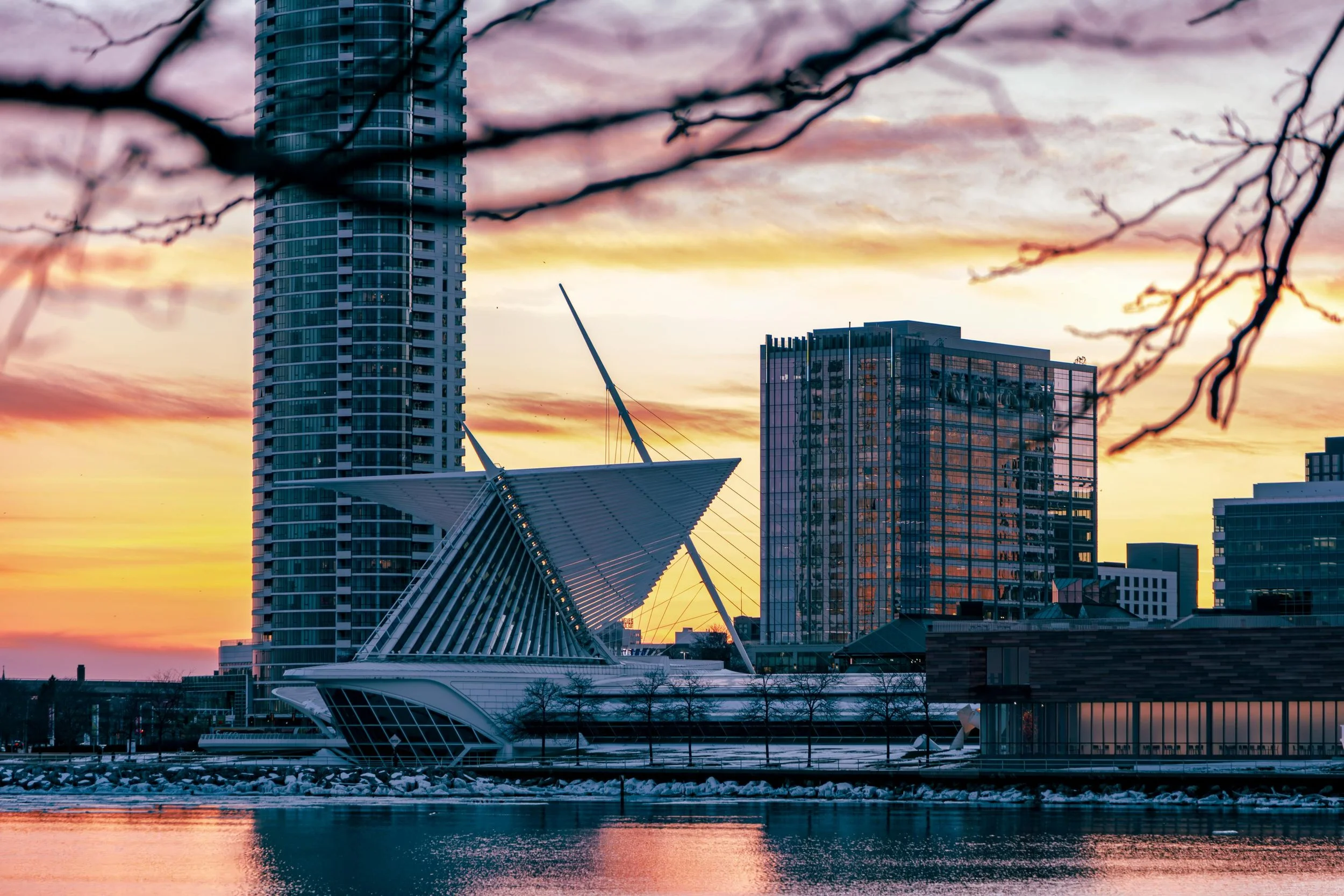
Why Milwaukee, Wisconsin Is a City Worth Fighting For
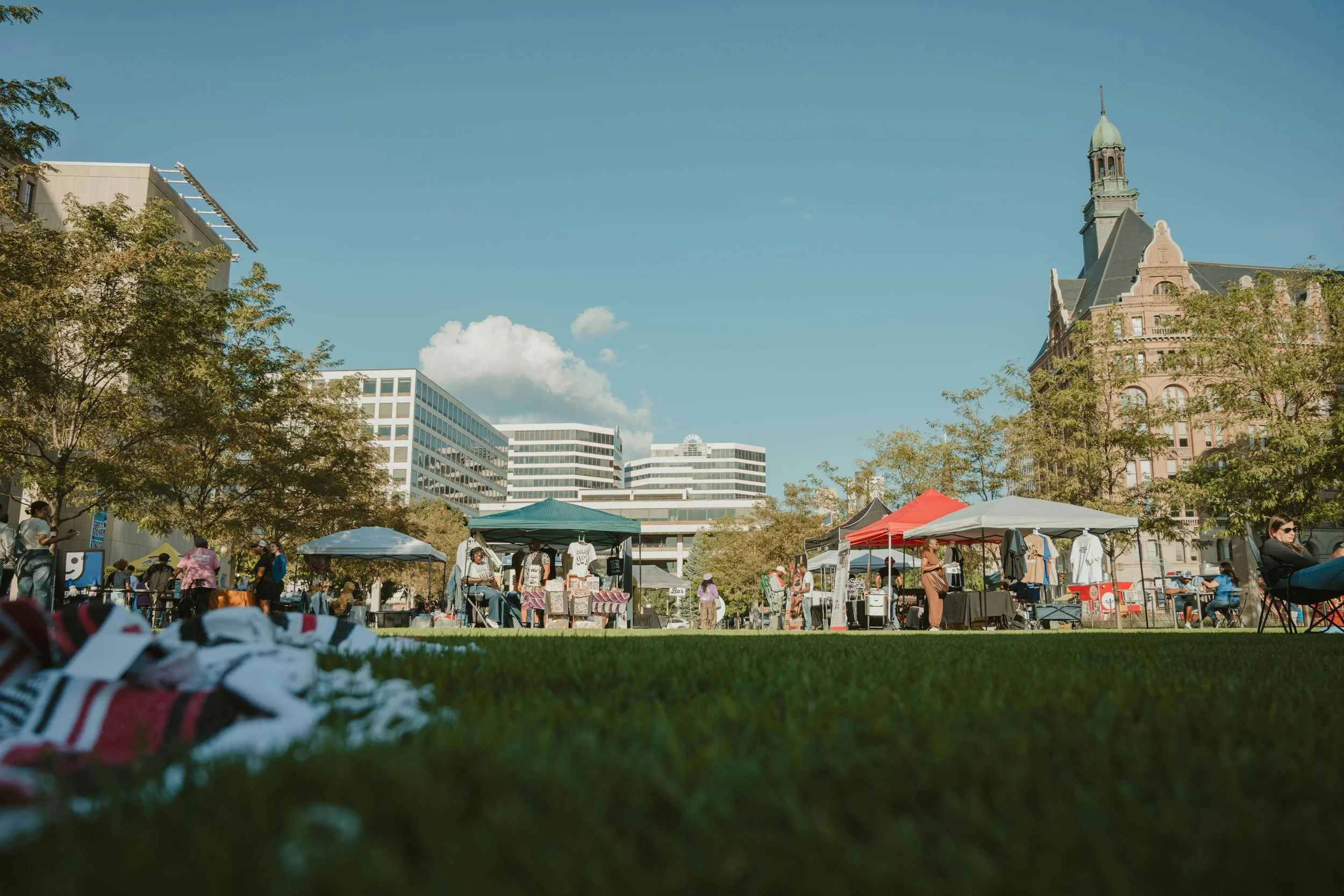
I have stood on every continent this planet has to offer. I have photographed glaciers in Antarctica, markets in Southeast Asia, plains in Africa, and alleyways in South America. I have seen cities that dazzle and landscapes that silence you. And after all of it, I come home to Milwaukee, Wisconsin. I come home to Milwaukee not because I have to, but because I want to. Because this city, complicated and imperfect and fiercely alive, is worth showing up for every single day.
That is not a sentiment I hold lightly. I have been involved in Milwaukee's nonprofit and business communities for over a decade through Rebel Reform and Rebel Converting, and I have seen firsthand both the challenges this city faces and the extraordinary people who refuse to let those challenges have the last word. Milwaukee is a city worth fighting for. DELETE? This is why.
Milwaukee Has a Community That Shows Up
I have organized a lot of events in my life. Bike drives, backpack distributions, mask campaigns, food fundraisers. And the thing that has never once failed to move me is how Milwaukee shows up when asked.
When we launched #MaskUpMKE in early 2020, we did not know what to expect. The pandemic was new, fear was high, and we were asking people to trust us with something urgent and logistically complex. Within weeks, we had 22 partner agencies, support from organizations like the United Way of Greater Milwaukee and Waukesha County, Milwaukee Public Transit, and the Milwaukee Bucks, and a network of volunteers that helped us distribute over 4 million masks to healthcare workers and underserved communities across the region.
Milwaukee did that. Not one organization, not one family, not one well-funded campaign. Milwaukee, its people, its institutions, its businesses, its neighbors did that together.
That same spirit shows up every year at our annual bike drive. Families dig bikes out of garages and storage units. Local businesses run internal donation campaigns. Mechanics volunteer entire evenings to repair and tune donated bicycles. And on the day of the event, at places like Kosciuszko Park, hundreds of children ride away on bikes that a community decided they deserved to have. We have given away more than 4,000 bicycles and helmets since we began not because Rebel Reform is extraordinary, but because Milwaukee is.
The Organizations Holding This City Together
Every city has its crisis responders: its hospitals, its fire departments, its police. Milwaukee has those, and it also has a dense, remarkable network of nonprofit organizations that address the quieter crises: hunger, homelessness, isolation, lack of opportunity.
I have had the privilege of working alongside some of the best of them.
Just One More Ministry feeds thousands of malnourished children in Milwaukee every week. When Rebel Reform partnered with them to raise over $50,000 for their summer campaign and then rolled up our sleeves to help renovate their 24,000-square-foot warehouse, I was reminded of what an organization operating with genuine urgency looks like. They do not wait for conditions to be perfect. They serve the person in front of them, today, with whatever they have.
The 16th Street Community Health Centers have been a cornerstone partner in our bike day programming, connecting us with the families and children who need what we have to give. Their deep roots in Milwaukee's south side and their trust within the community make everything we try to do there more effective.
Organizations like Mr. Bob's Under the Bridge serve Milwaukee's homeless population with the kind of personal, relentless dedication that no government program can fully replicate. When Rebel Reform provides backpacks; over 1,300 distributed in recent years, filled with blankets, toiletries, and yes, happy socks; it is organizations like this that ensure they reach the people who need them most.
Milwaukee's nonprofit ecosystem is not perfect. It is underfunded, often overstretched, and navigating systemic challenges that no single organization can solve alone. But it is also among the most committed collections of mission-driven people I have encountered anywhere in the world. That is worth naming and worth protecting.
Milwaukee's Complicated History Is Part of Its Strength
I would not be honest if I wrote a love letter to Milwaukee without acknowledging its contradictions.
Milwaukee is frequently cited in national studies as one of the most racially segregated cities in the United States. Its north side and south side carry histories of disinvestment and inequity that did not happen by accident and will not be corrected without sustained, intentional effort. Poverty is concentrated in ways that are visible and uncomfortable if you are paying attention and invisible if you are not.
I am paying attention. Part of what has kept me in this work, and in this city, for as long as I have been doing it, is the belief that the places with the most complicated histories are also the places where the most important work is happening. Milwaukee is not a city that needs to be fixed by people from somewhere else. It is a city that needs its own people, people who love it and know it and have chosen to stay to keep showing up.
That is what Rebel Reform tries to be: a locally rooted organization that takes seriously the responsibility of being embedded in a community. We are not passing through. We live here. Our children go to school here. We shop at local businesses, know our neighbors, and care about what happens on streets beyond our own. That rootedness is, I believe, the only real foundation for meaningful community work.
Lake Michigan and the Geography of Home
There is something about living on a Great Lake that shapes a person's sense of place in ways that are hard to articulate. Lake Michigan is enormous, genuinely oceanic in its scale and its moods, and yet it is freshwater, approachable, swimmable, shared. It belongs to everyone in a way that oceans, for all their grandeur, do not quite manage.
I photograph Lake Michigan often. The light on the water in the early morning is some of the best light I have found anywhere, and I have looked for good light on every continent. The lakefront is also where some of our most meaningful community events happen including the annual bike collection drive with Lake Express Ferry, whose partnership has been essential to the growth of our bike program. Standing at the lakefront in April, watching donor after donor arrive with bikes loaded into minivans and truck beds, with the lake behind them and the city skyline in the distance that image, repeated year after year, is Milwaukee to me.
What Loretta Kryshak Wants People to Know About This City
I have met people, in my travels and in my work, who have a fixed idea of Milwaukeeusually formed by a headline or a statistic or someone else's story. I understand how that happens. Cities are large and complex and easy to reduce.
What I want people to know is that the Milwaukee I have experienced for over a decade is a city of extraordinary generosity, deep community pride, and a stubborn refusal to give up on its most vulnerable residents. It is a city where a manufacturing company can decide to become a force for social good and find, almost immediately, a community ready to support and amplify that work. It is a city where a teenager can make 10,000 masks during a pandemic and be celebrated for it. It is a city where mechanics volunteer their Saturday nights to fix bikes for children they will never meet.
Visit Milwaukee will tell you about the restaurants and the festivals and the architecture, all of which are genuinely worth your time. The University of Wisconsin-Milwaukee, where I earned my degrees in Finance and Management Information Systems, anchors an academic community that produces thoughtful, civic-minded graduates year after year. Milwaukee Area Technical College provides accessible pathways to skilled trades and professional careers for thousands of students who might not otherwise have them.
These institutions matter. But what matters more, to me, is the culture they exist within: a culture that, at its best, takes seriously the idea that a city's strength is measured by how it treats its most vulnerable members.
Milwaukee is not there yet. No city is. But Milwaukee is fighting, every day, to get closer. And as long as it is, I will be here fighting alongside it.
A City That Earns Its Loyalists
I did not grow up thinking I would spend my career in Milwaukee. I grew up thinking I would use my degrees and my skills to build something successful, travel the world, and figure the rest out as I went. What I did not anticipate was falling in love with a city — with its lake and its neighborhoods and its people and its particular, stubborn, generous spirit.
Rebel Reform exists because Milwaukee made it possible. Every bike we have given away, every mask we distributed, every backpack we filled, every dollar we raised for Just One More Ministry; none of it happened in a vacuum. It happened because this city's people, institutions, and organizations chose to show up alongside us.
That is what a city worth fighting for looks like. Not perfect. Not without struggle. But alive, and generous, and unwilling to abandon the people who need it most.
Milwaukee, I am not going anywhere.
Loretta Kryshak is the Executive Director of Rebel Reform, the social outreach arm of Rebel Converting. She is a humanitarian, award-winning photographer, and global traveler who has called southeastern Wisconsin home for over a decade. Follow her work at lorettakryshak.com.