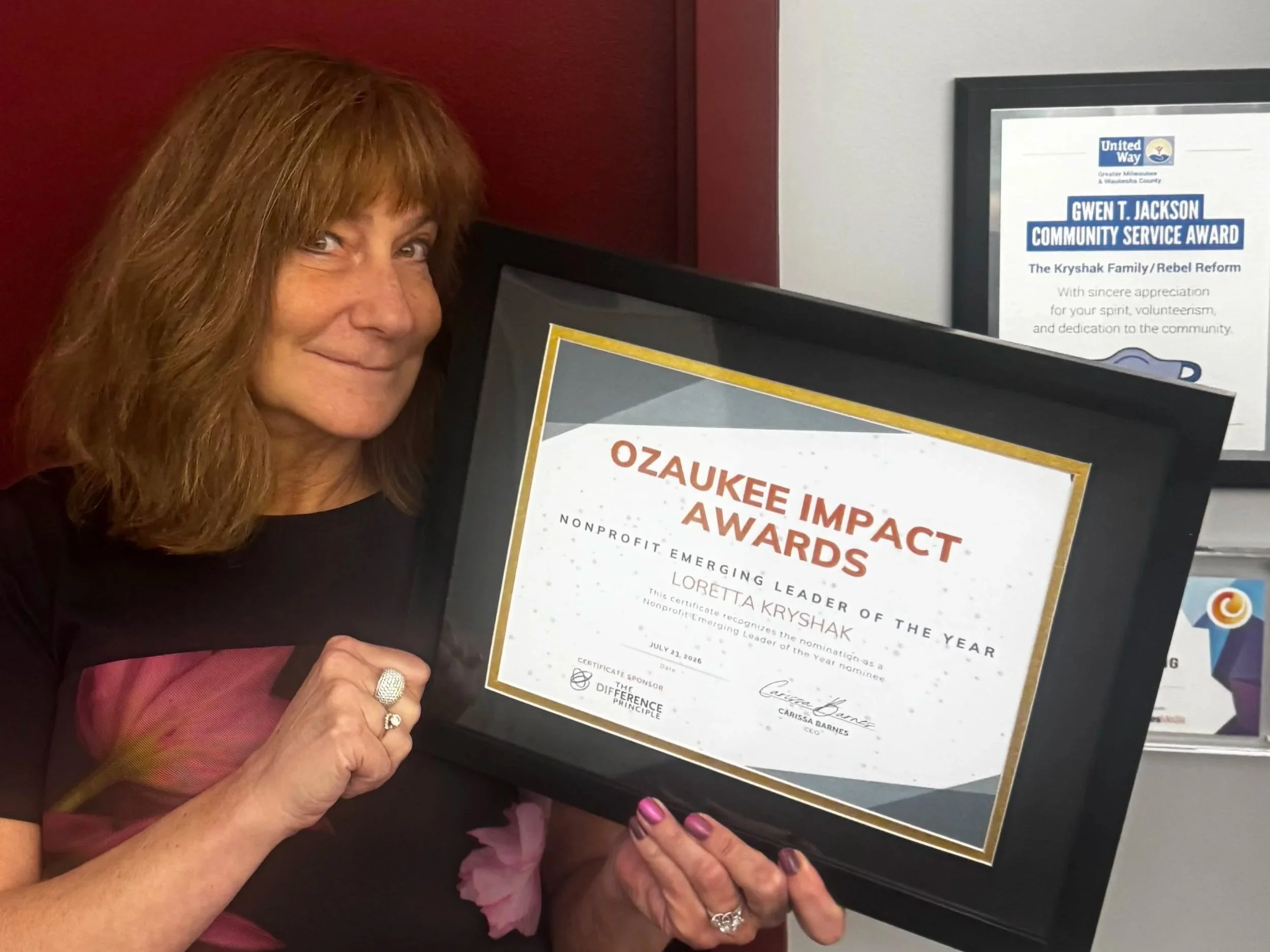
Loretta Kryshak Honored as Nominee at 2026 Ozaukee Impact Awards
Loretta Kryshak, Executive Director of Rebel Reform working with several nonprofits and otheer social causes in the S.E. WI area, was honored as a nominee for Nonprofit Emerging Leader of the Year at the 2026 Ozaukee Impact Awards on Thursday, July 23.
OZAUKEE COUNTY, Wis. — Loretta Kryshak, Executive Director of Rebel Reform working with several nonprofits and otheer social causes in the S.E. WI area, was honored as a nominee for Nonprofit Emerging Leader of the Year at the 2026 Ozaukee Impact Awards on Thursday, July 23.
The awards, presented by the Ozaukee Nonprofit Center and Bank Five Nine, were held at the newly renovated ON Center in Grafton. The annual celebration recognizes individuals, organizations, businesses, and volunteers whose leadership and service strengthen Ozaukee County.
Kryshak received an official nomination certificate at the ceremony, signed by Ozaukee Nonprofit Center CEO Carissa Barnes. The certificate was sponsored by The Difference Principle.
Her nomination reflects her leadership at Rebel Reform, where she has expanded community outreach, strengthened partnerships with local nonprofits, and supported initiatives serving people and families in need across southeastern Wisconsin.
“Being nominated for the Emerging Nonprofit Leader of the Year Award is both humbling and inspiring,” said Kryshak. “This recognition reflects the incredible work of the volunteers, partners, supporters, and organizations we collaborate with every day. Together, we are making a positive impact in the lives of people who need it most.”
As Executive Director of Rebel Reform, Kryshak has helped lead community initiatives focused on humanitarian outreach, charitable giving, volunteer engagement, and support for organizations serving vulnerable populations. Her work has helped connect businesses, nonprofits, and community members around a shared commitment to helping others.
“The Ozaukee Impact Awards are one of our favorite opportunities each year to celebrate the incredible individuals and organizations that make our community stronger,” said Carissa Barnes, CEO of the Ozaukee Nonprofit Center. “Every nominee represents the compassion, collaboration, and commitment that define Ozaukee County.”
For Kryshak, being recognized among Ozaukee County’s emerging nonprofit leaders is less about personal honor and more about the people who make the work possible.
“Every act of kindness creates a ripple effect,” Kryshak said. “I am grateful to be part of a community that continually steps up to support one another and create opportunities for positive change.”
About Loretta Kryshak
Loretta Kryshak is an internationally recognized photographer, humanitarian, and Executive Director of Rebel Reform. Through her leadership and advocacy work, she is committed to strengthening communities, supporting charitable initiatives, and inspiring meaningful change through service and storytelling.
About Rebel Reform
Rebel Reform is a nonprofit organization (community outreach arm of Rebel Converting) dedicated to creating positive change through community engagement, charitable outreach, and partnerships that support individuals and families in need. The organization works alongside local nonprofits, businesses, and volunteers to make a lasting impact throughout Wisconsin communities.
Media Contact: Loretta Kryshak Website: lorettakryshak.com Website: rebelreform.org
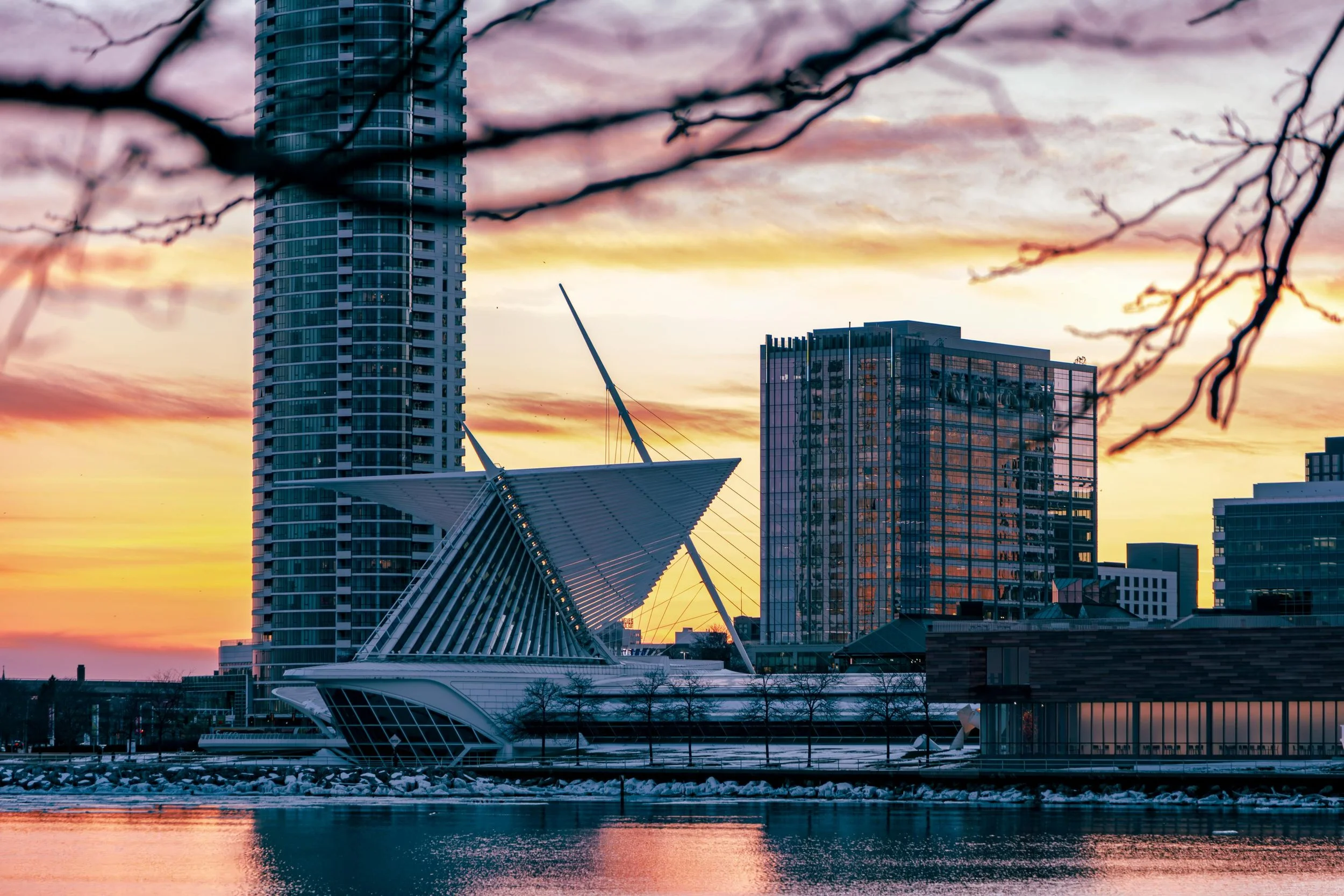
Why Milwaukee, Wisconsin Is a City Worth Fighting For
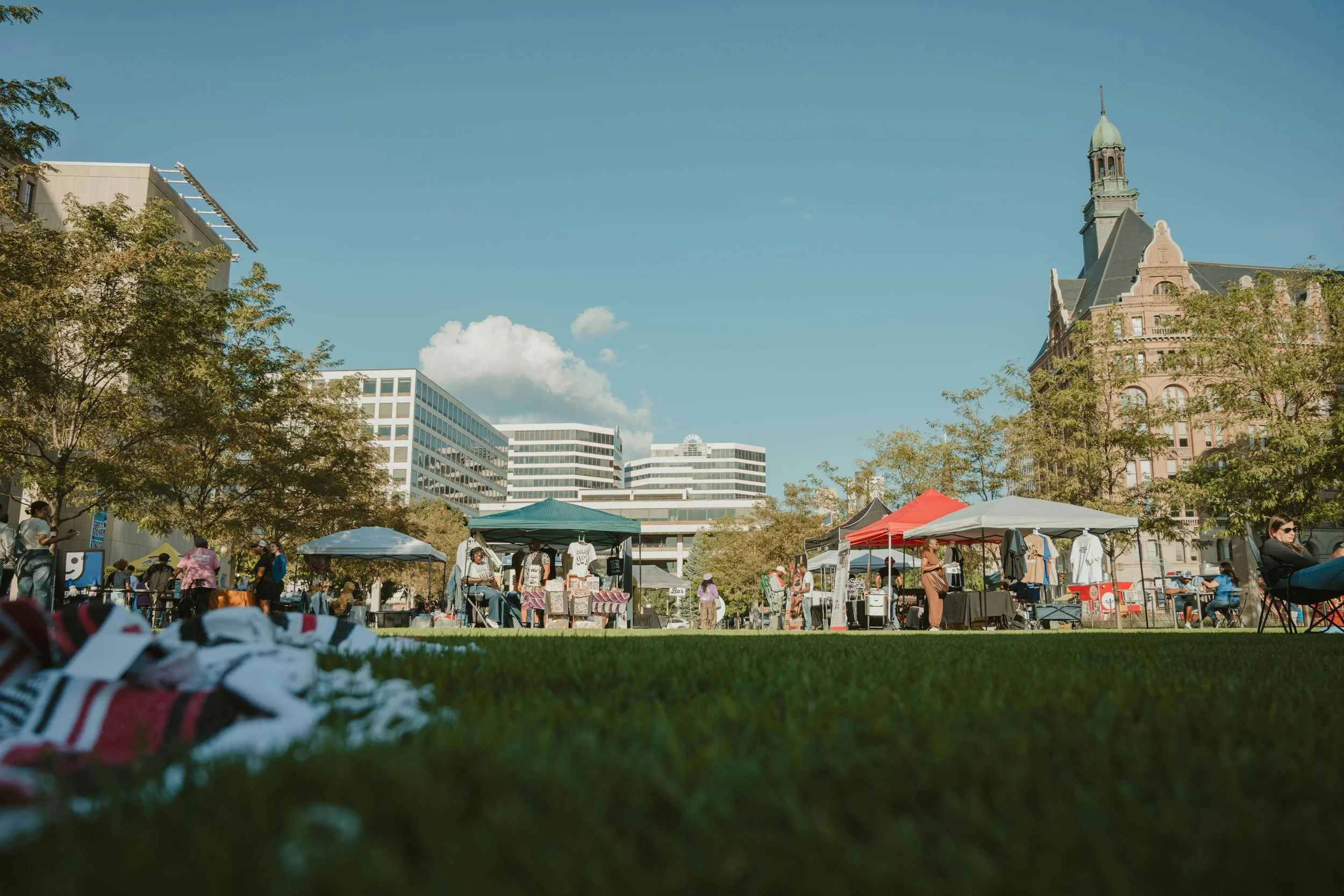
I have stood on every continent this planet has to offer. I have photographed glaciers in Antarctica, markets in Southeast Asia, plains in Africa, and alleyways in South America. I have seen cities that dazzle and landscapes that silence you. And after all of it, I come home to Milwaukee, Wisconsin. I come home to Milwaukee not because I have to, but because I want to. Because this city, complicated and imperfect and fiercely alive, is worth showing up for every single day.
That is not a sentiment I hold lightly. I have been involved in Milwaukee's nonprofit and business communities for over a decade through Rebel Reform and Rebel Converting, and I have seen firsthand both the challenges this city faces and the extraordinary people who refuse to let those challenges have the last word. Milwaukee is a city worth fighting for. DELETE? This is why.
Milwaukee Has a Community That Shows Up
I have organized a lot of events in my life. Bike drives, backpack distributions, mask campaigns, food fundraisers. And the thing that has never once failed to move me is how Milwaukee shows up when asked.
When we launched #MaskUpMKE in early 2020, we did not know what to expect. The pandemic was new, fear was high, and we were asking people to trust us with something urgent and logistically complex. Within weeks, we had 22 partner agencies, support from organizations like the United Way of Greater Milwaukee and Waukesha County, Milwaukee Public Transit, and the Milwaukee Bucks, and a network of volunteers that helped us distribute over 4 million masks to healthcare workers and underserved communities across the region.
Milwaukee did that. Not one organization, not one family, not one well-funded campaign. Milwaukee, its people, its institutions, its businesses, its neighbors did that together.
That same spirit shows up every year at our annual bike drive. Families dig bikes out of garages and storage units. Local businesses run internal donation campaigns. Mechanics volunteer entire evenings to repair and tune donated bicycles. And on the day of the event, at places like Kosciuszko Park, hundreds of children ride away on bikes that a community decided they deserved to have. We have given away more than 4,000 bicycles and helmets since we began not because Rebel Reform is extraordinary, but because Milwaukee is.
The Organizations Holding This City Together
Every city has its crisis responders: its hospitals, its fire departments, its police. Milwaukee has those, and it also has a dense, remarkable network of nonprofit organizations that address the quieter crises: hunger, homelessness, isolation, lack of opportunity.
I have had the privilege of working alongside some of the best of them.
Just One More Ministry feeds thousands of malnourished children in Milwaukee every week. When Rebel Reform partnered with them to raise over $50,000 for their summer campaign and then rolled up our sleeves to help renovate their 24,000-square-foot warehouse, I was reminded of what an organization operating with genuine urgency looks like. They do not wait for conditions to be perfect. They serve the person in front of them, today, with whatever they have.
The 16th Street Community Health Centers have been a cornerstone partner in our bike day programming, connecting us with the families and children who need what we have to give. Their deep roots in Milwaukee's south side and their trust within the community make everything we try to do there more effective.
Organizations like Mr. Bob's Under the Bridge serve Milwaukee's homeless population with the kind of personal, relentless dedication that no government program can fully replicate. When Rebel Reform provides backpacks; over 1,300 distributed in recent years, filled with blankets, toiletries, and yes, happy socks; it is organizations like this that ensure they reach the people who need them most.
Milwaukee's nonprofit ecosystem is not perfect. It is underfunded, often overstretched, and navigating systemic challenges that no single organization can solve alone. But it is also among the most committed collections of mission-driven people I have encountered anywhere in the world. That is worth naming and worth protecting.
Milwaukee's Complicated History Is Part of Its Strength
I would not be honest if I wrote a love letter to Milwaukee without acknowledging its contradictions.
Milwaukee is frequently cited in national studies as one of the most racially segregated cities in the United States. Its north side and south side carry histories of disinvestment and inequity that did not happen by accident and will not be corrected without sustained, intentional effort. Poverty is concentrated in ways that are visible and uncomfortable if you are paying attention and invisible if you are not.
I am paying attention. Part of what has kept me in this work, and in this city, for as long as I have been doing it, is the belief that the places with the most complicated histories are also the places where the most important work is happening. Milwaukee is not a city that needs to be fixed by people from somewhere else. It is a city that needs its own people, people who love it and know it and have chosen to stay to keep showing up.
That is what Rebel Reform tries to be: a locally rooted organization that takes seriously the responsibility of being embedded in a community. We are not passing through. We live here. Our children go to school here. We shop at local businesses, know our neighbors, and care about what happens on streets beyond our own. That rootedness is, I believe, the only real foundation for meaningful community work.
Lake Michigan and the Geography of Home
There is something about living on a Great Lake that shapes a person's sense of place in ways that are hard to articulate. Lake Michigan is enormous, genuinely oceanic in its scale and its moods, and yet it is freshwater, approachable, swimmable, shared. It belongs to everyone in a way that oceans, for all their grandeur, do not quite manage.
I photograph Lake Michigan often. The light on the water in the early morning is some of the best light I have found anywhere, and I have looked for good light on every continent. The lakefront is also where some of our most meaningful community events happen including the annual bike collection drive with Lake Express Ferry, whose partnership has been essential to the growth of our bike program. Standing at the lakefront in April, watching donor after donor arrive with bikes loaded into minivans and truck beds, with the lake behind them and the city skyline in the distance that image, repeated year after year, is Milwaukee to me.
What Loretta Kryshak Wants People to Know About This City
I have met people, in my travels and in my work, who have a fixed idea of Milwaukeeusually formed by a headline or a statistic or someone else's story. I understand how that happens. Cities are large and complex and easy to reduce.
What I want people to know is that the Milwaukee I have experienced for over a decade is a city of extraordinary generosity, deep community pride, and a stubborn refusal to give up on its most vulnerable residents. It is a city where a manufacturing company can decide to become a force for social good and find, almost immediately, a community ready to support and amplify that work. It is a city where a teenager can make 10,000 masks during a pandemic and be celebrated for it. It is a city where mechanics volunteer their Saturday nights to fix bikes for children they will never meet.
Visit Milwaukee will tell you about the restaurants and the festivals and the architecture, all of which are genuinely worth your time. The University of Wisconsin-Milwaukee, where I earned my degrees in Finance and Management Information Systems, anchors an academic community that produces thoughtful, civic-minded graduates year after year. Milwaukee Area Technical College provides accessible pathways to skilled trades and professional careers for thousands of students who might not otherwise have them.
These institutions matter. But what matters more, to me, is the culture they exist within: a culture that, at its best, takes seriously the idea that a city's strength is measured by how it treats its most vulnerable members.
Milwaukee is not there yet. No city is. But Milwaukee is fighting, every day, to get closer. And as long as it is, I will be here fighting alongside it.
A City That Earns Its Loyalists
I did not grow up thinking I would spend my career in Milwaukee. I grew up thinking I would use my degrees and my skills to build something successful, travel the world, and figure the rest out as I went. What I did not anticipate was falling in love with a city — with its lake and its neighborhoods and its people and its particular, stubborn, generous spirit.
Rebel Reform exists because Milwaukee made it possible. Every bike we have given away, every mask we distributed, every backpack we filled, every dollar we raised for Just One More Ministry; none of it happened in a vacuum. It happened because this city's people, institutions, and organizations chose to show up alongside us.
That is what a city worth fighting for looks like. Not perfect. Not without struggle. But alive, and generous, and unwilling to abandon the people who need it most.
Milwaukee, I am not going anywhere.
Loretta Kryshak is the Executive Director of Rebel Reform, the social outreach arm of Rebel Converting. She is a humanitarian, award-winning photographer, and global traveler who has called southeastern Wisconsin home for over a decade. Follow her work at lorettakryshak.com.