Through the Wild: Loretta Kryshak’s African Wildlife Photography Experience
There is something very different about seeing an animal in the wild.
A photograph can show you what a lion, giraffe, zebra, or elephant looks like, but standing in the African landscape and watching these animals move through their natural environment creates an entirely different appreciation for them.
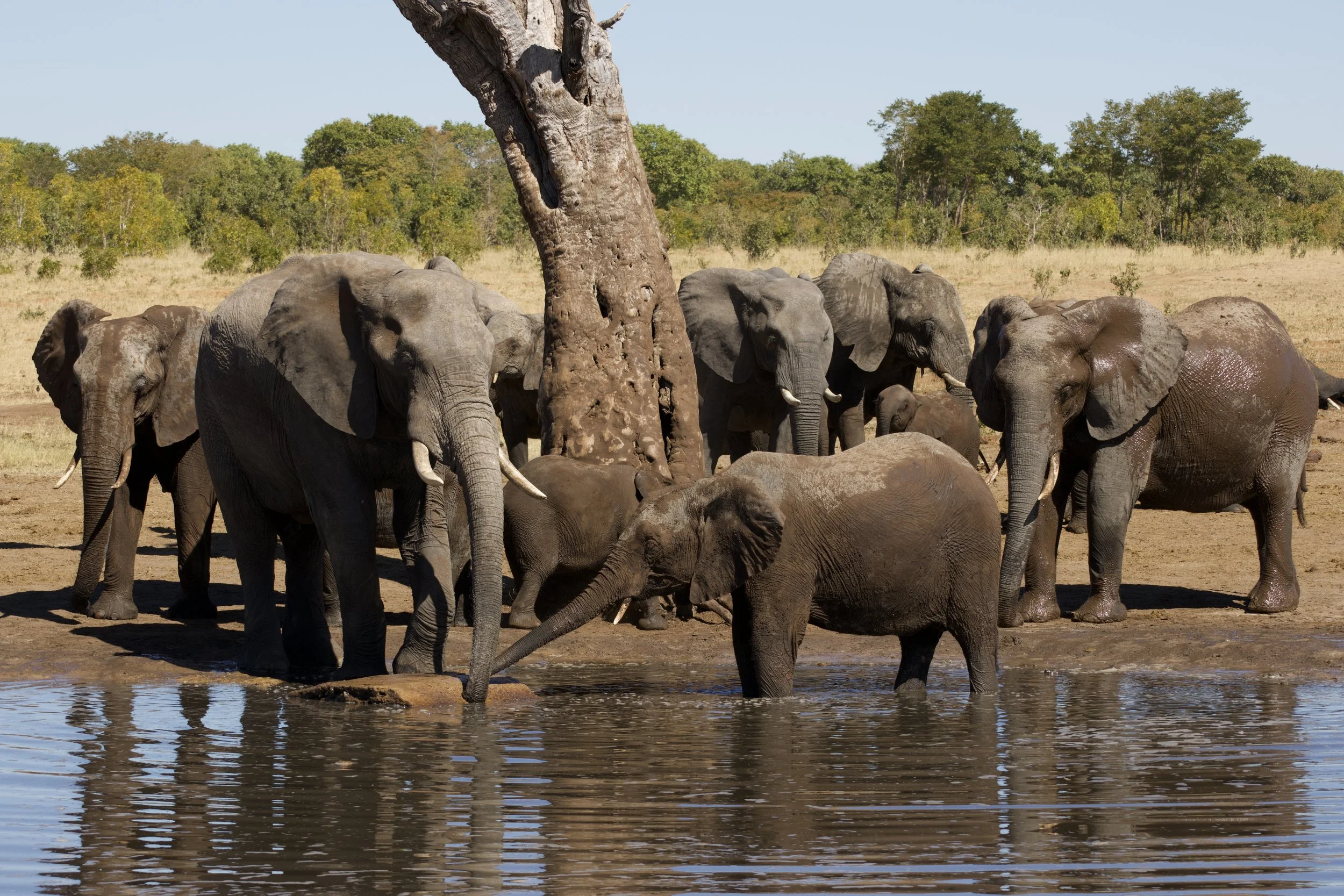
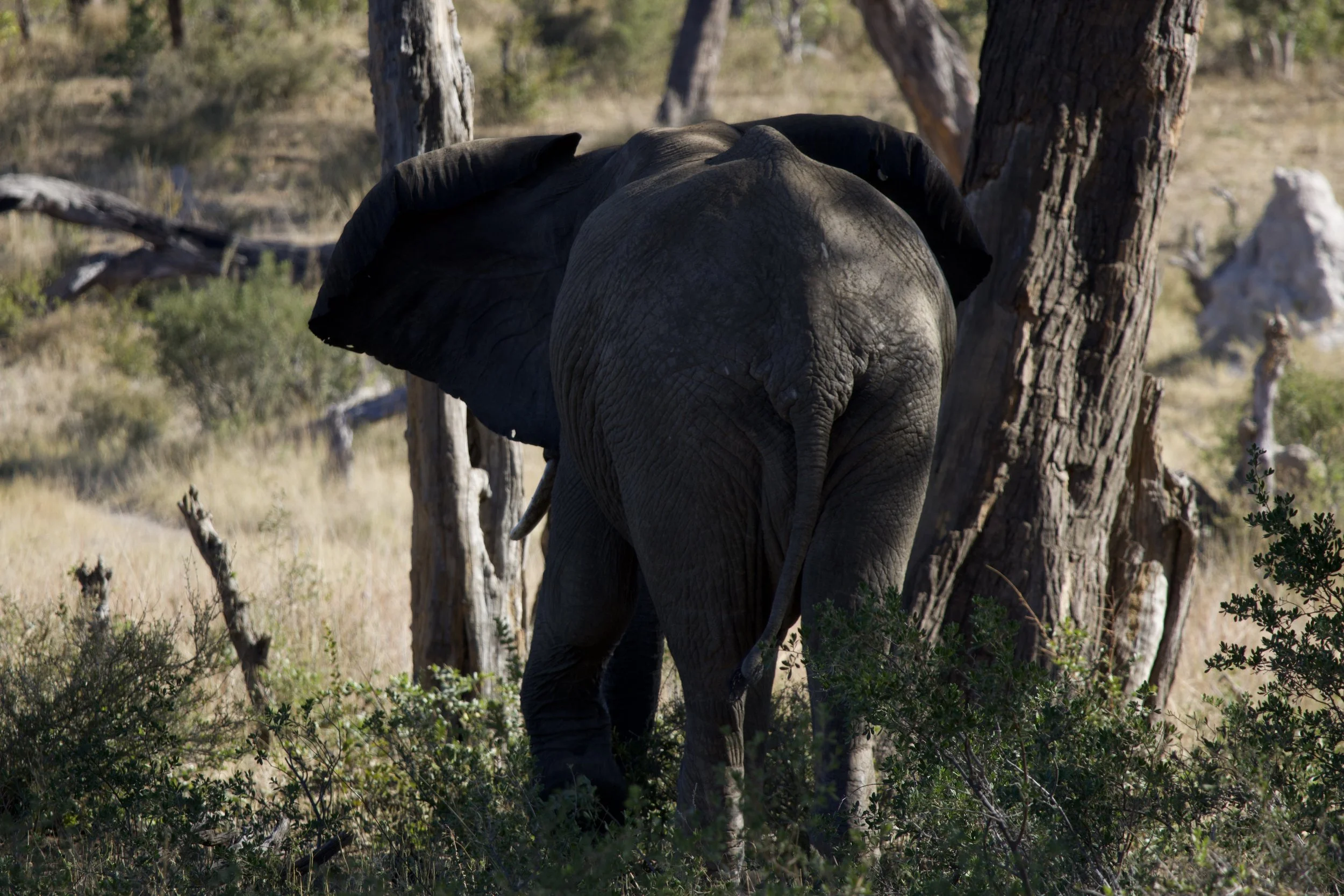
For photographer and traveler Loretta Kryshak, photographing African wildlife became one of the most memorable parts of her time in Africa. The experience was about far more than returning home with beautiful photographs and the love for photographing elephants in Africa. It gave her an opportunity to slow down, observe animals in their own world, and better understand the delicate relationship between wildlife, habitat, and survival.
Her African wildlife photography became another chapter in something travel has taught Loretta repeatedly: sometimes you understand the world differently when you stop talking and simply observe.
Seeing African Wildlife Through a Photographer’s Eyes
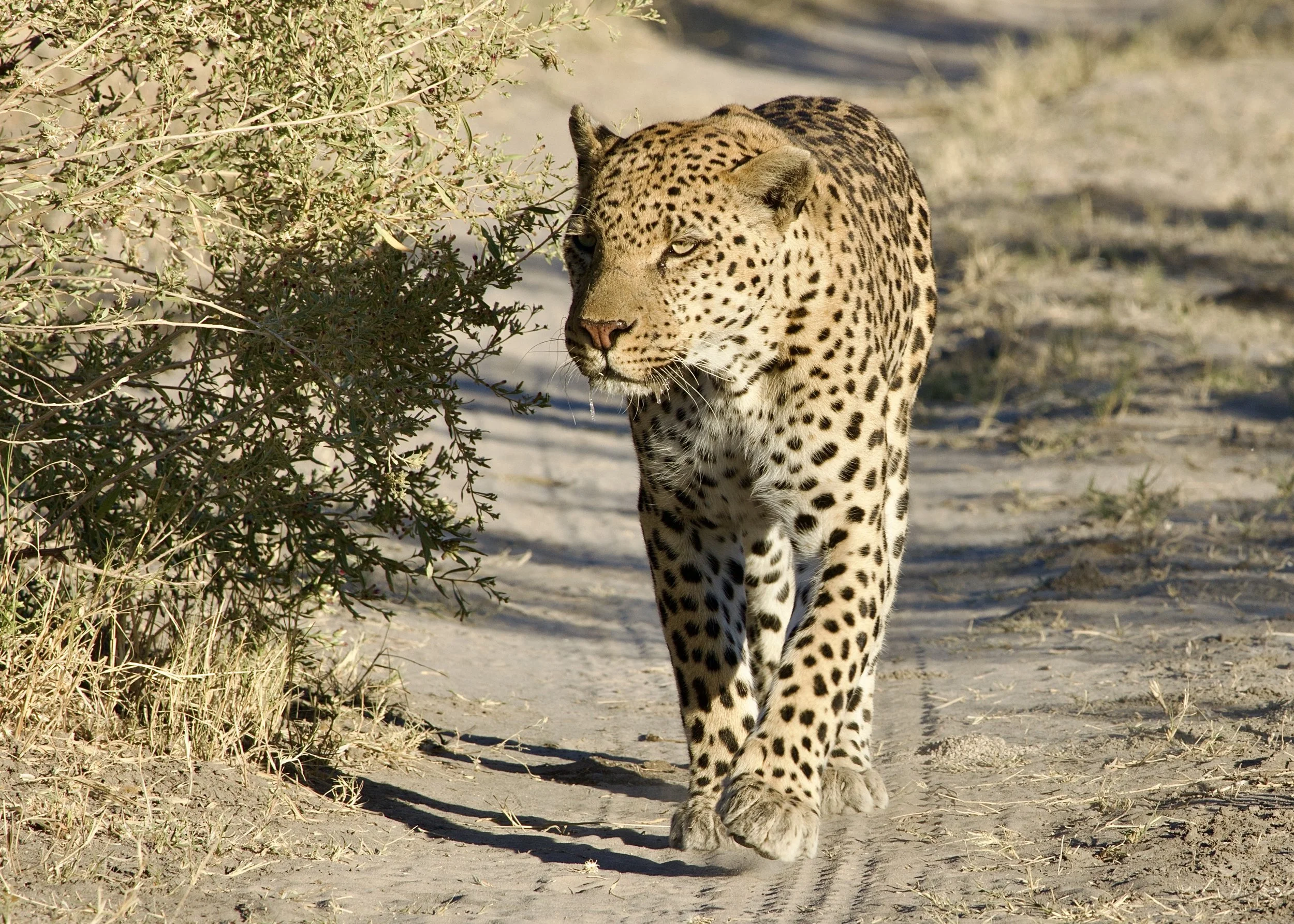
Wildlife photography requires a different kind of patience.
You cannot tell a wild animal where to stand. You cannot ask it to turn toward the light or repeat a moment because you missed the photograph.
You wait.
For Loretta, that unpredictability is part of what makes photographing wildlife so rewarding. Every image represents a moment that actually happened, often lasting only seconds before the scene changed completely.
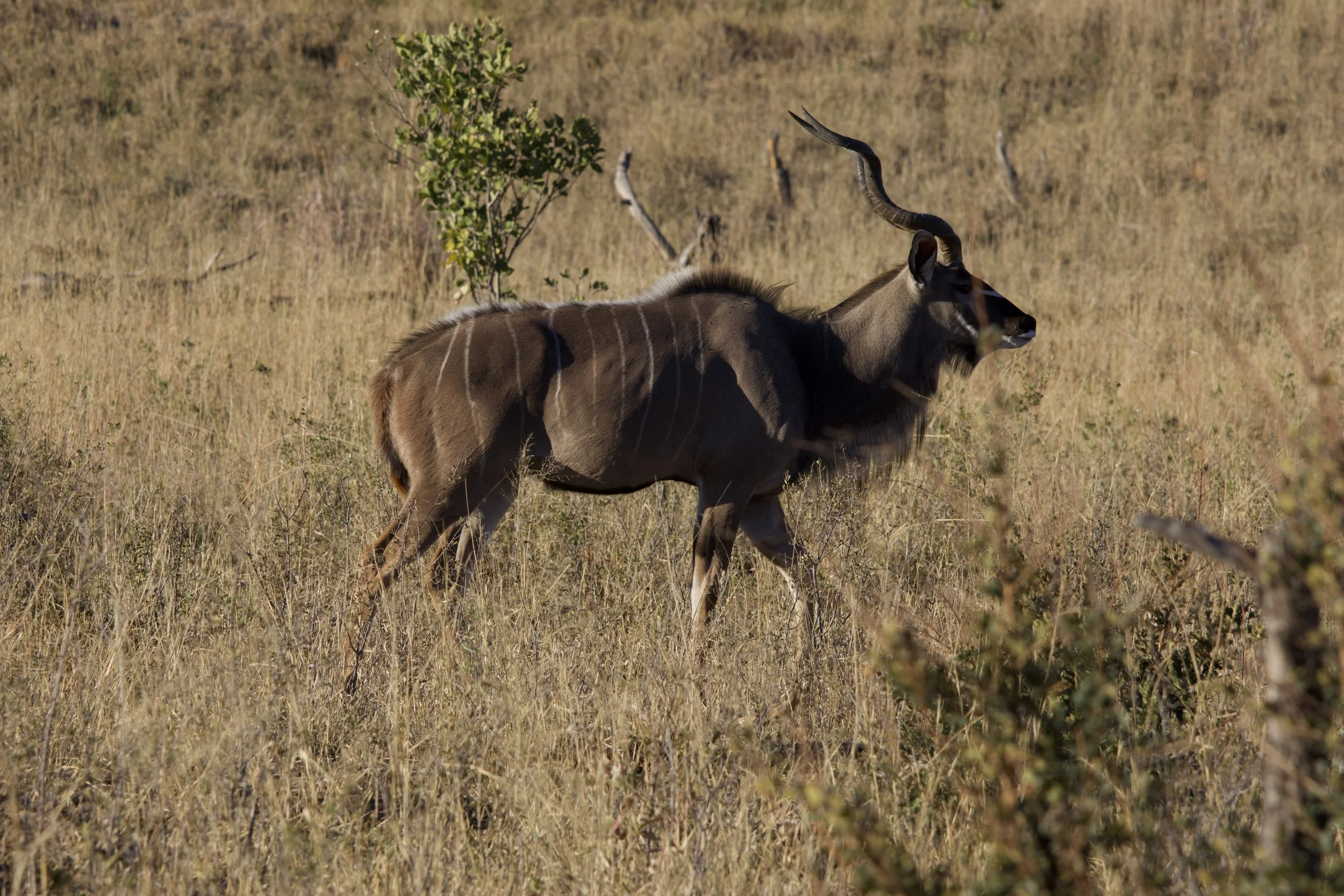
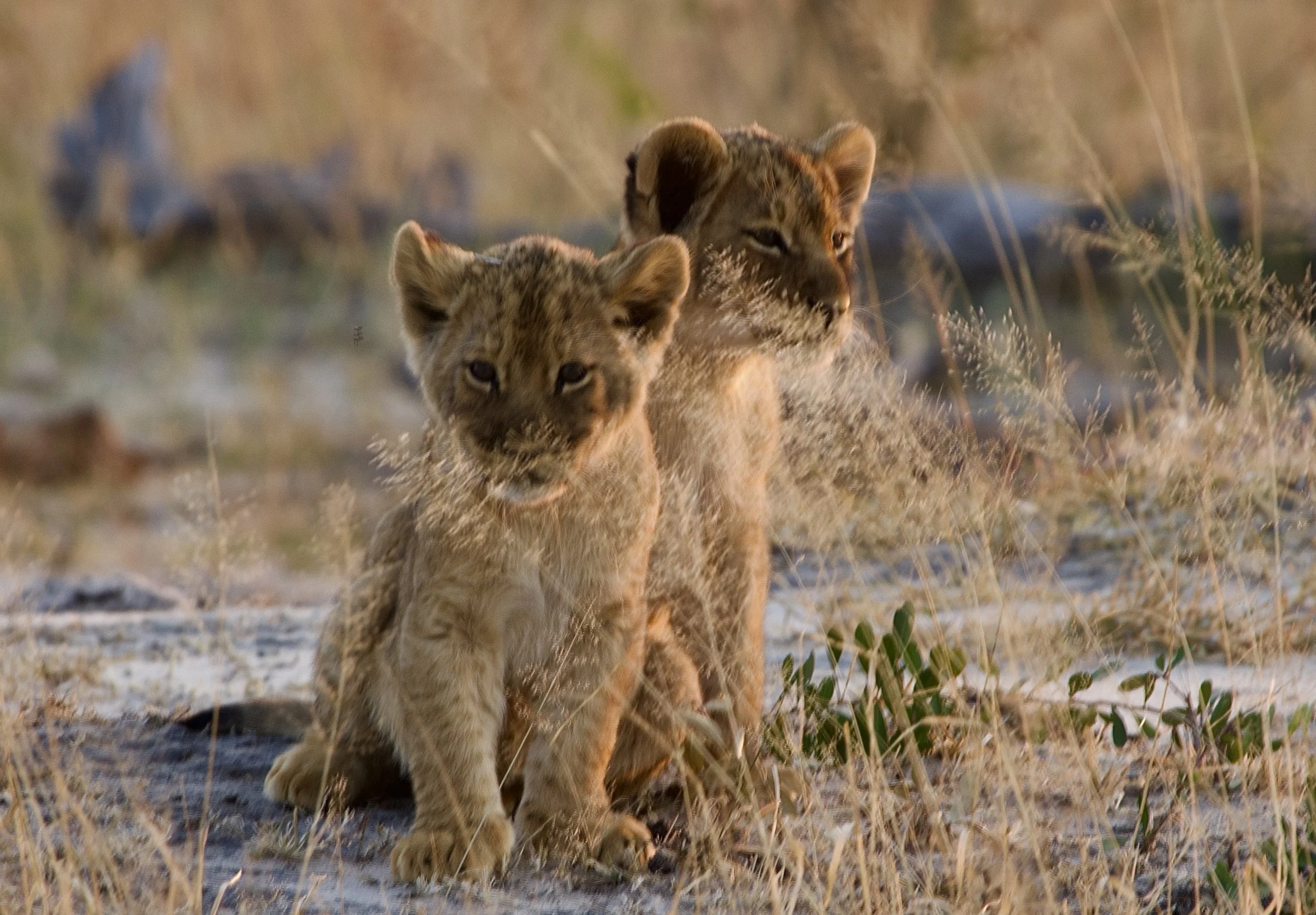
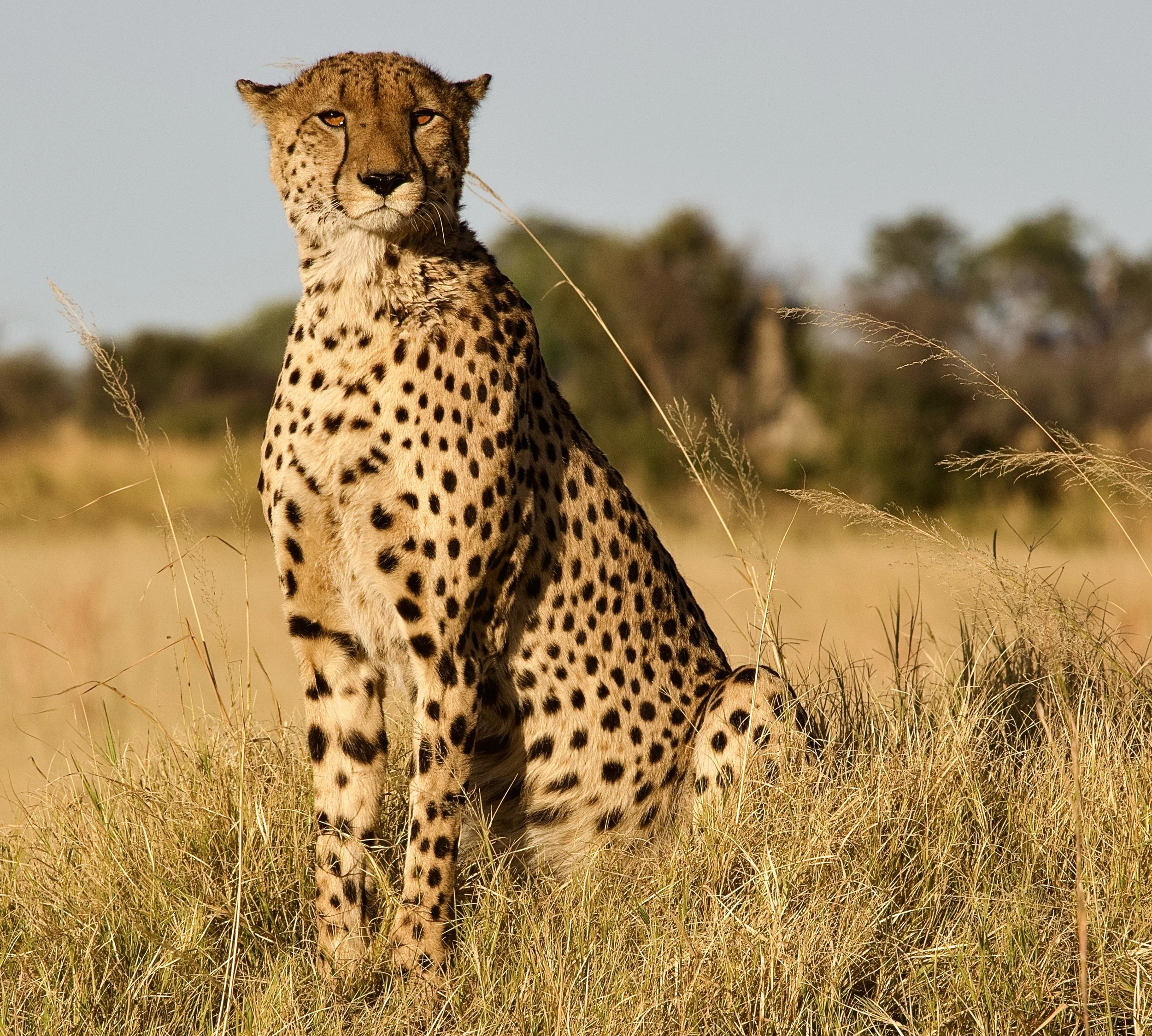
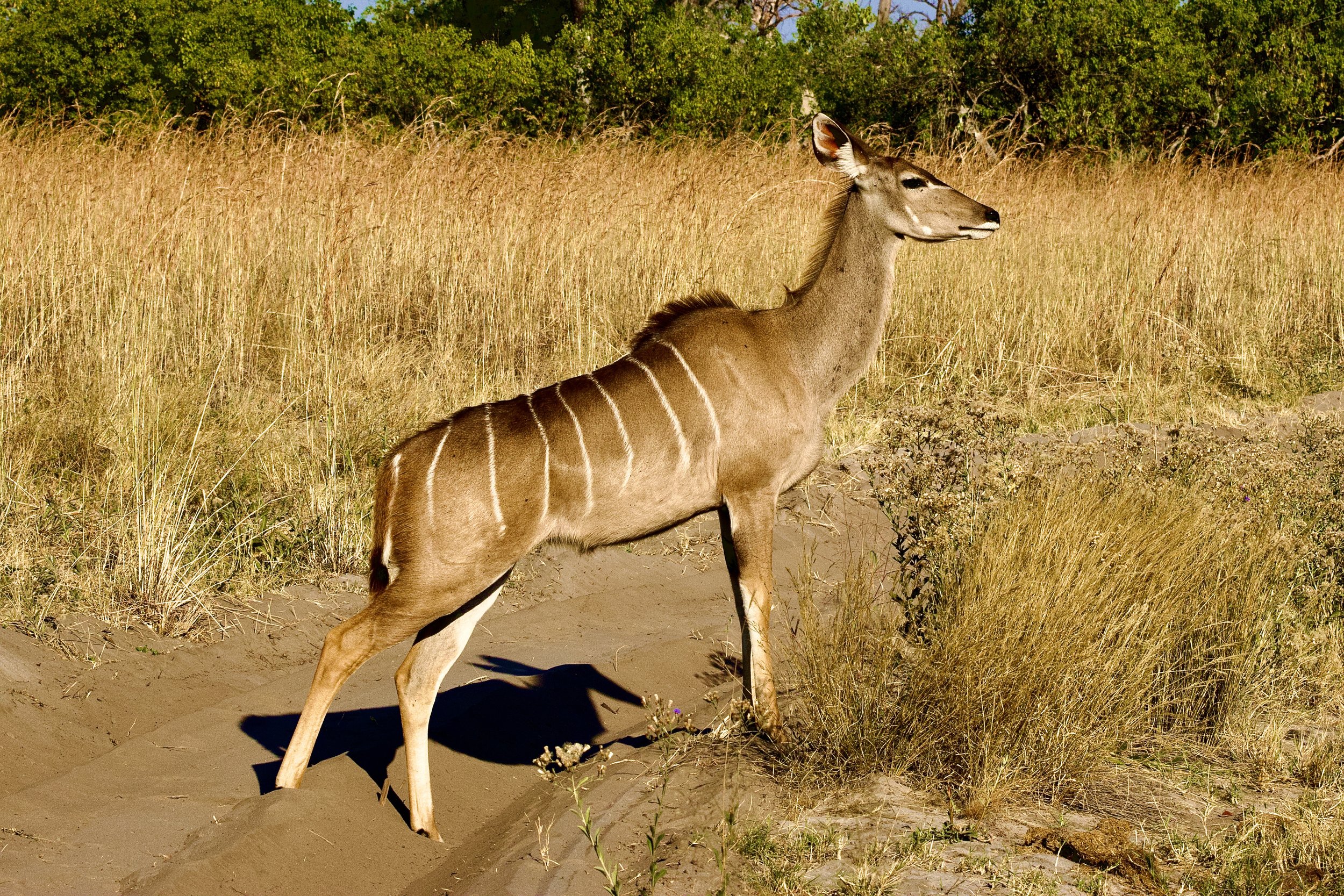
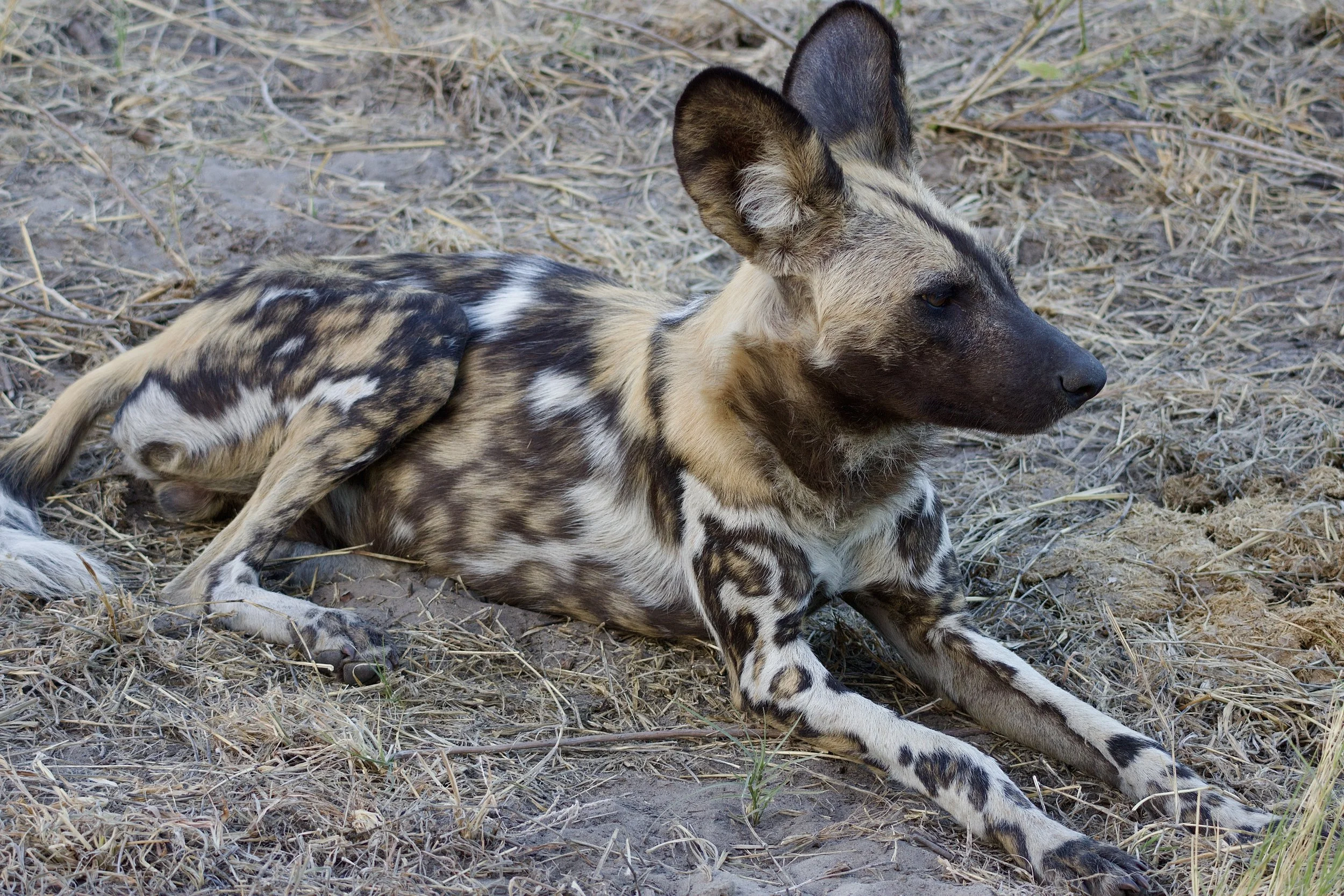
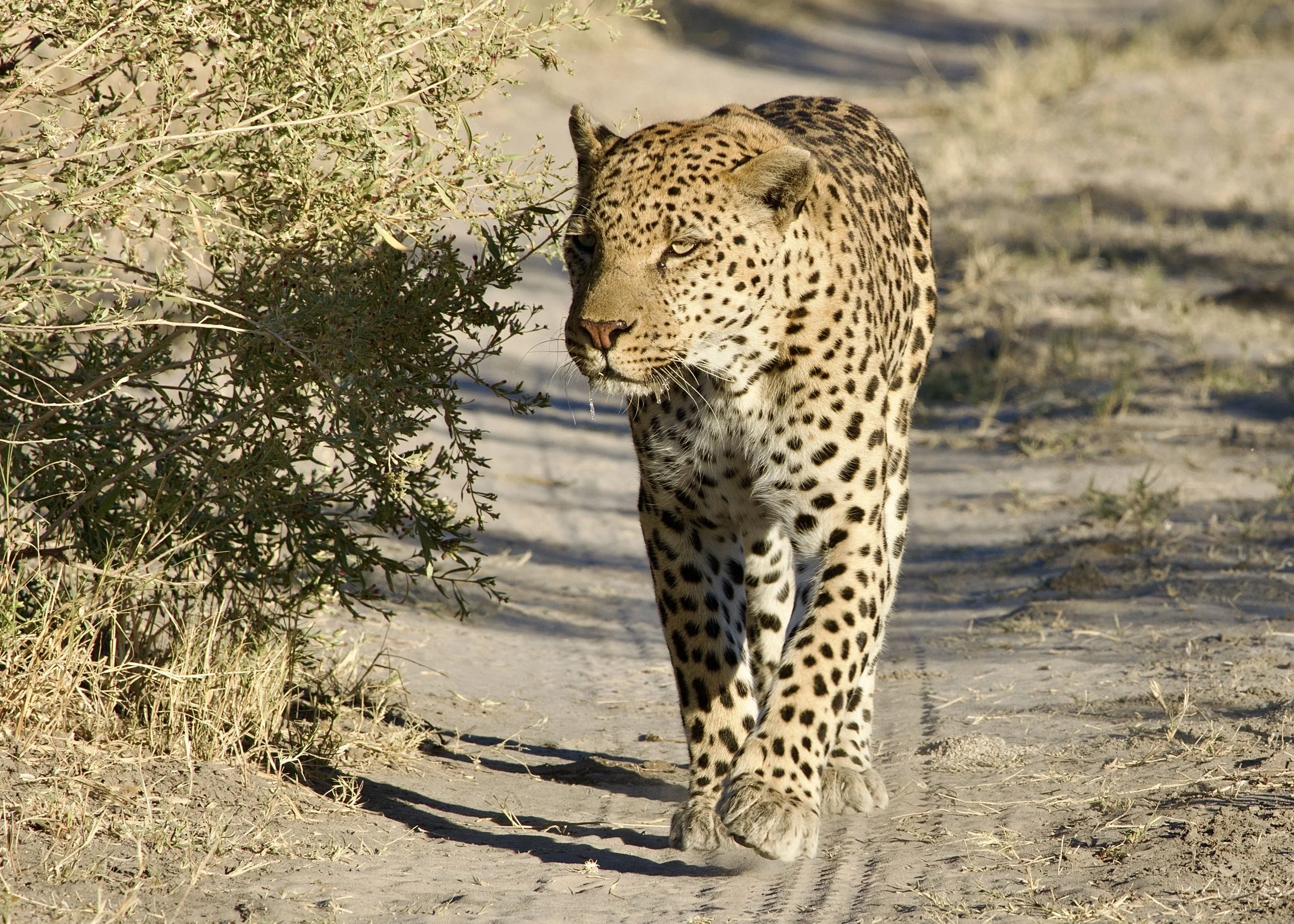
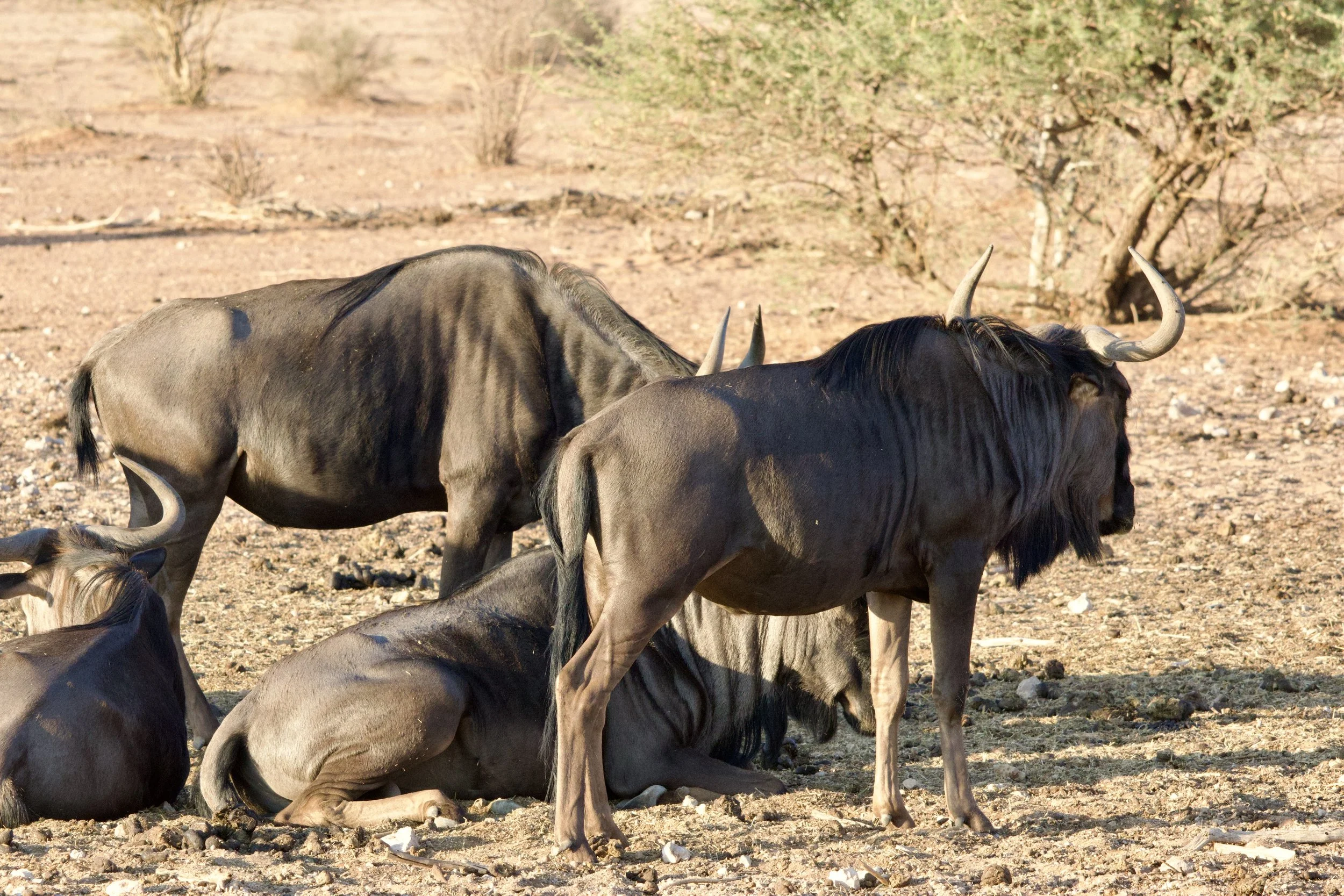
During her travels in Africa, she photographed wildlife ranging from powerful predators to grazing herds and some of the continent’s most recognizable animals. Each presented a different photographic challenge, but they also revealed different characteristics of life in the wild.
A giraffe moving almost silently across an open landscape creates a very different feeling from watching a lion resting while remaining aware of everything around it. Zebras gathered together create extraordinary natural patterns through their stripes. Antelope can appear delicate until you see the speed and awareness that help them survive.
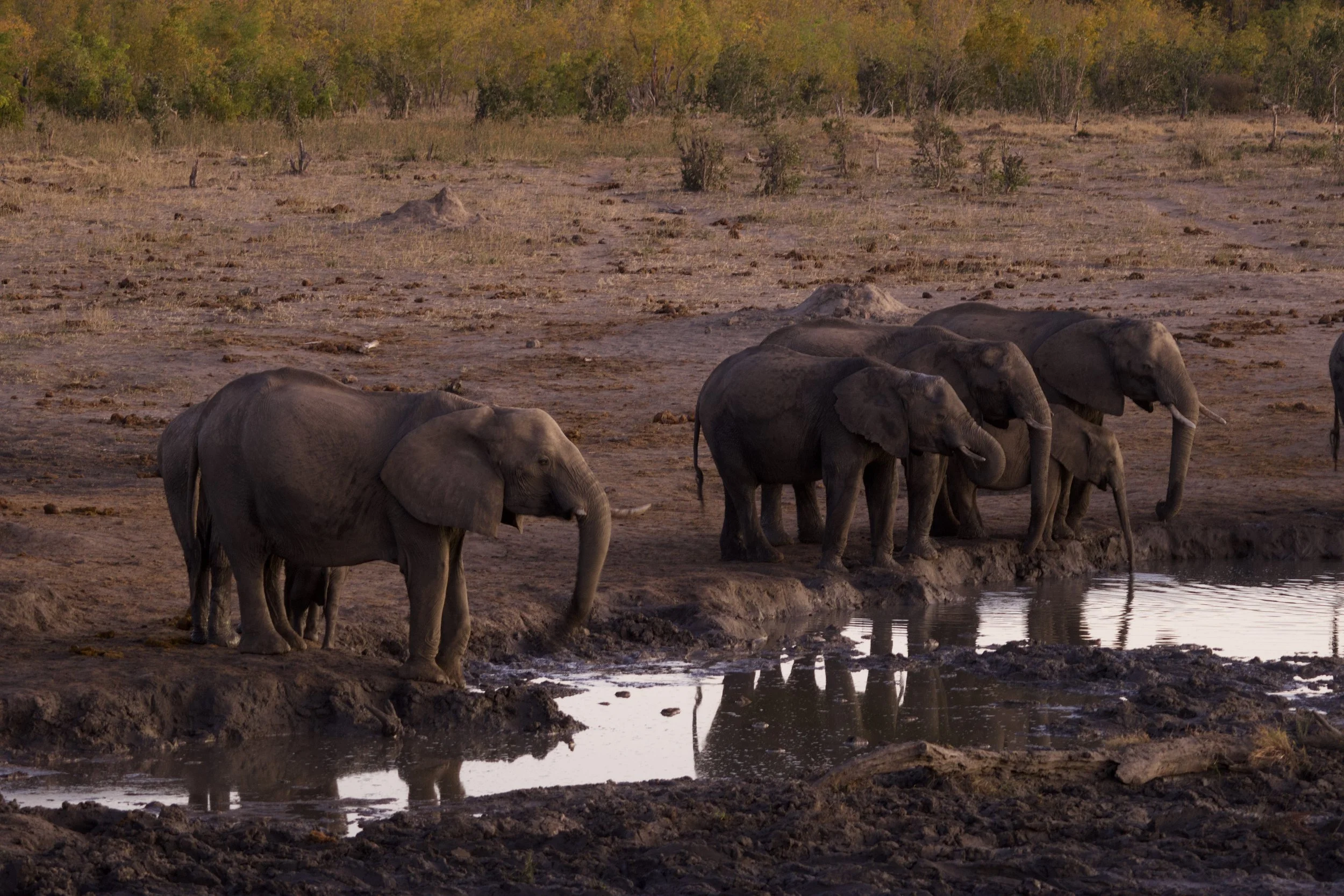
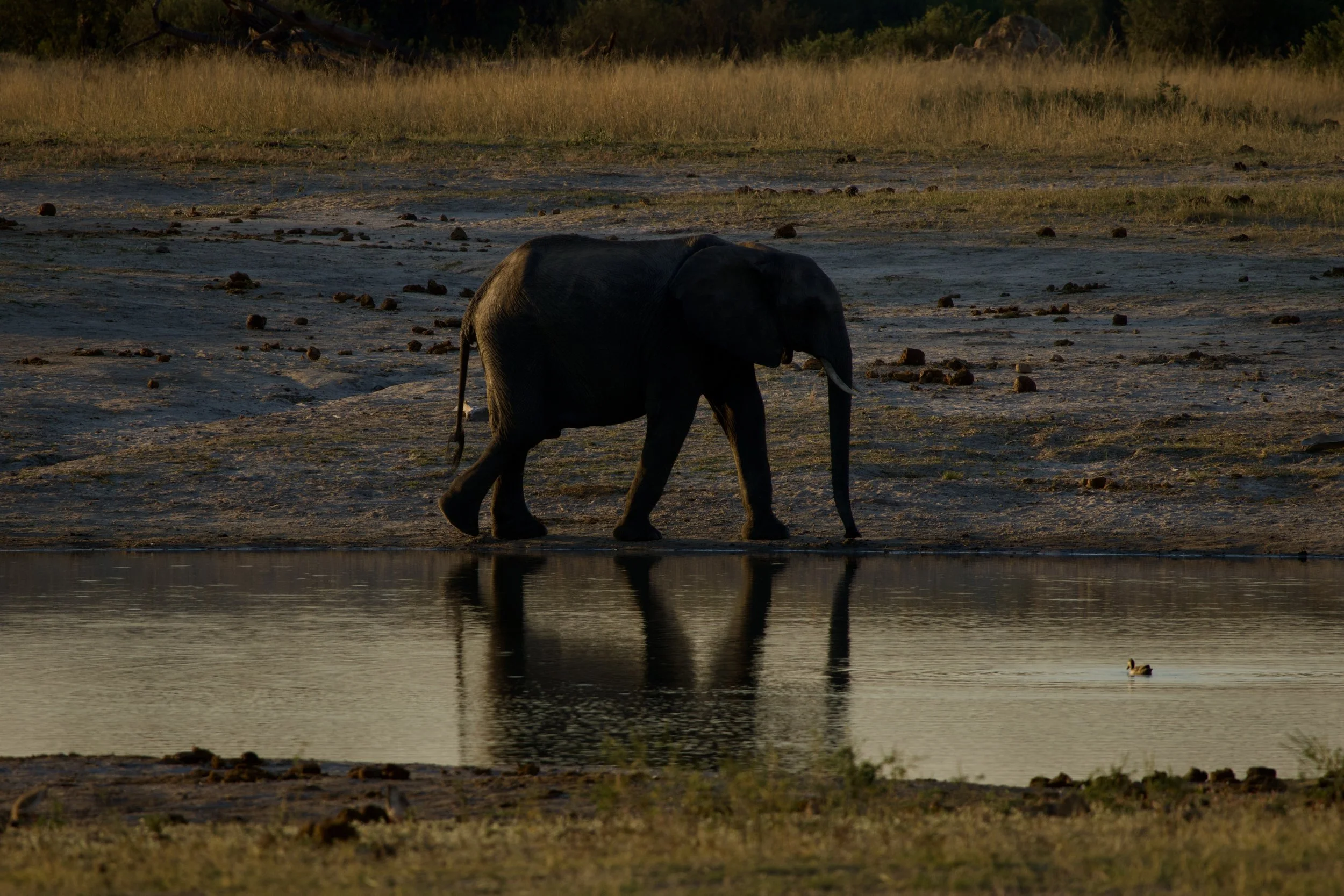
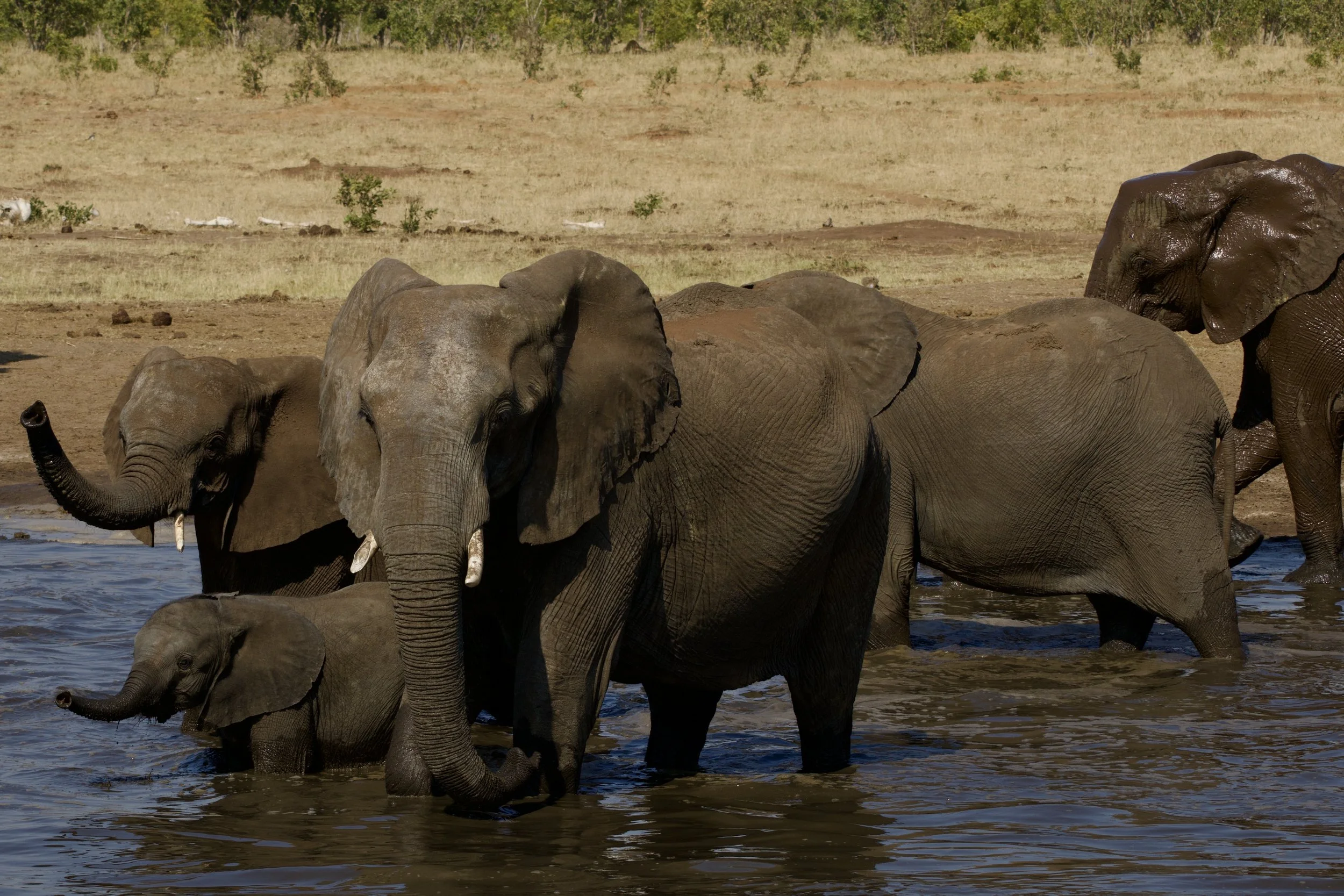
And then there are the elephants, whose intelligence, family relationships and emotional depth made such an impression on Loretta that they became a subject worthy of their own story.
Together, these encounters gave Loretta a much broader appreciation for African wildlife.
Photographing More Than the Animal
One of the lessons Loretta Kryshak has learned through travel photography is that the surroundings are often as important as the subject.
In Africa, an animal does not exist separately from the landscape.
The grass, dust, trees, water, changing sky and enormous stretches of open land are all part of the story.
Rather than concentrating only on close-up portraits, Loretta became interested in photographs that showed animals within the environments they depend upon. A lone animal beneath a vast African sky can communicate something entirely different than a tightly framed portrait.
Those wider images provide scale and context. They remind the viewer that wildlife belongs to a much larger ecosystem.
For Loretta, that is one of the most powerful things photography can accomplish. A photograph can be beautiful while also encouraging someone to look more carefully at a world they may never have experienced firsthand.
The Beauty Is in the Behavior
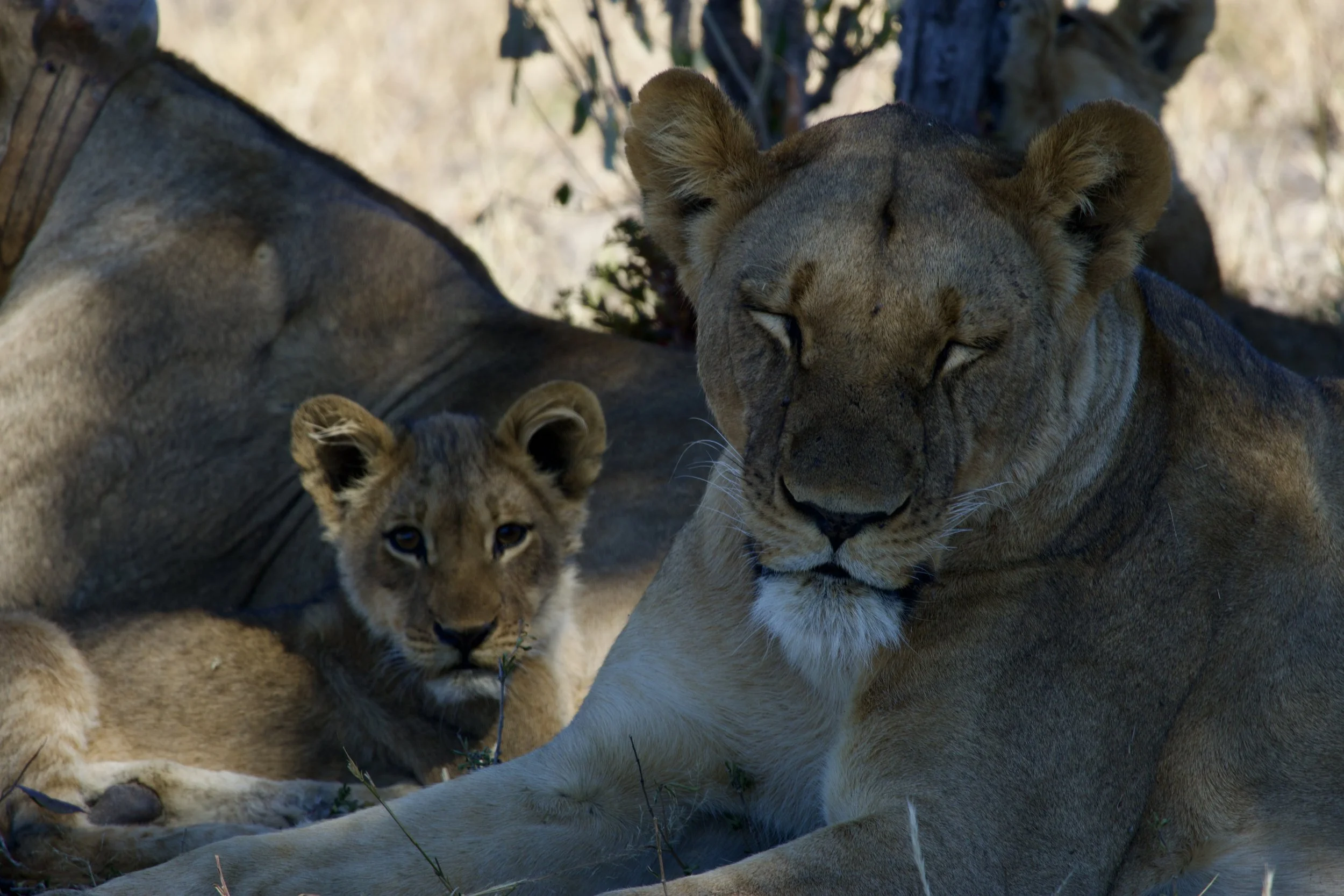
Some of Loretta’s most meaningful experiences came from simply watching.
In the wild, there is always something happening, even when very little appears to be happening.
Animals are communicating, listening, watching, protecting their young, searching for food and responding to subtle changes around them.
That behavior fascinated Loretta.
A mother staying close to her young. A herd moving together. A predator patiently observing from a distance. Animals gathering near water. Birds following larger mammals across the landscape.
These ordinary moments of wild life became extraordinary when she had the opportunity to witness them up close.
They also changed the way she approached her camera.
Sometimes the best photograph was not the dramatic image she expected to capture. It was an expression, a glance between animals, a cloud of dust or a quiet moment that revealed something about how an animal actually lives.
Africa Reinforced the Importance of Patience
Wildlife photography does not operate according to a schedule.
There are stretches of waiting followed by moments when everything happens at once.
Loretta learned to become comfortable with both.
Instead of constantly searching for the next photograph, she found herself spending more time studying what was already in front of her. That patience made the photography better, but it also made the experience of Africa more meaningful.
It is easy to travel somewhere extraordinary and become so focused on documenting the experience that you forget to experience it.
Africa reminded Loretta to occasionally lower the camera.
Some memories deserved a photograph. Others deserved her complete attention.
A New Appreciation for the Natural World
Seeing African wildlife in its natural habitat also brought a greater awareness of how interconnected these animals are with the land around them.
Water, vegetation, weather, migration routes and the availability of habitat all influence wildlife populations. What appears to a visitor as an enormous wilderness is actually a complicated system in which countless species depend upon one another and their environment.
That understanding gave Loretta an even greater appreciation for conservation and responsible wildlife tourism.
The animals she photographed were not attractions placed there for visitors. They were wild animals living within ecosystems that existed long before any traveler arrived with a camera.
That distinction matters.
Wildlife photography, when approached respectfully, can help people develop an emotional connection to animals and places they may never see themselves. An image of a lion, giraffe, zebra or elephant can become more than a beautiful photograph. It can create curiosity about the animal, its habitat and what is required to ensure that future generations will still be able to encounter these species in the wild.
Why Travel Continues to Inspire Loretta Kryshak
Loretta’s African wildlife photographs are part of a much larger story about why she continues to travel.
For her, seeing unfamiliar places has always been about more than collecting destinations. Travel provides an opportunity to encounter different cultures, landscapes, people and wildlife while questioning assumptions formed from seeing the world only from home.
Africa provided all of those experiences.
It also reminded her how much of the world remains outside our everyday awareness.
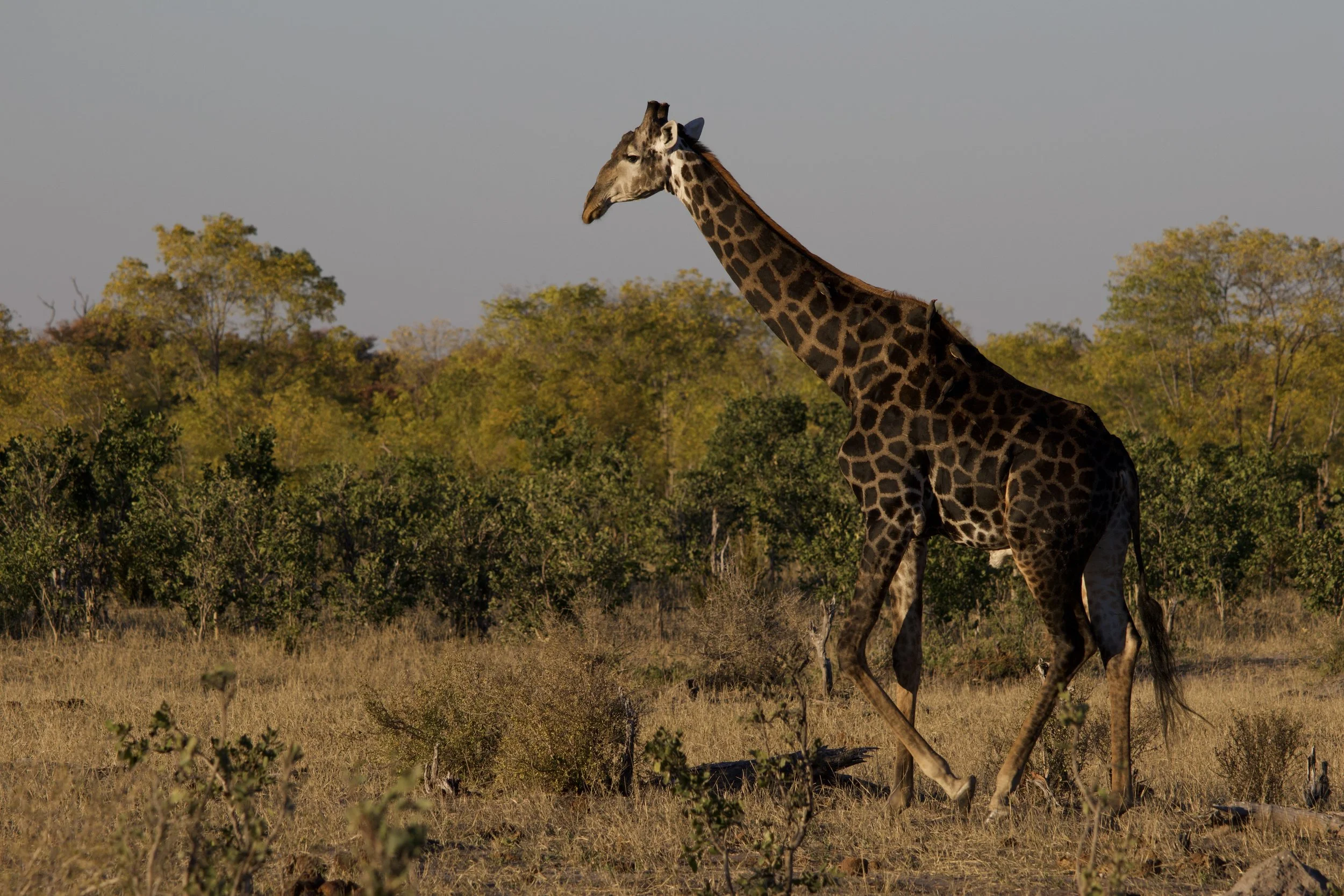
Watching a giraffe disappear into the landscape, seeing zebras gather together on the plains or sitting quietly as wildlife moved around her created moments that could never be completely recreated through a photograph.
But photographs can preserve a piece of them.
That is ultimately what Loretta loves about photography.
A camera gives her a way to hold onto a fraction of a moment and later share it with someone who was not there.
Bringing Africa Home Through Photography
Long after the journey ends, photographs continue telling the story.
For Loretta Kryshak, her African wildlife photography represents more than a collection of animals she was fortunate enough to photograph. The images remind her of patience, curiosity, beauty and the privilege of witnessing wildlife where it truly belongs.
Africa reinforced her belief that travel can change the way we see the world, but only if we allow ourselves to pay attention.
Sometimes that means looking through the camera.
And sometimes it means putting the camera down, watching a wild animal disappear into the African landscape and realizing that the memory itself may be the most important photograph you bring home.